
 make preferable
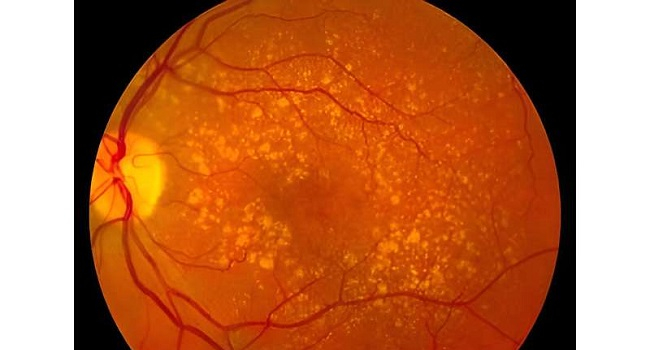
A team of medical researchers from Case Western Reserve University School of Medicine and the Cleveland Clinic Center for Ophthalmic Bioinformatics has found new evidence that regular melatonin consumption reduces the chances of older adults developing age-related macular degeneration (AMD), a disease that often leads to blindness.
In their study, which is published in the journal JAMA Ophthalmology, a team of scientists examined the medical histories of 200,000 elderly patients in search of a link between regular melatonin intake and the development of AMD. Previous studies have shown that as many people age, degeneration of the yellow spot, the central part of the retina, begins to occur. In recent years, research groups have concluded that people who take melatonin supplements may be less likely to develop the disease. For this new work, the research team examined the medical records of 200,000 older adults between 2008 and 2023 to look for a link. They found that of the 121,523 patients aged 50 and older who had no signs of TMD, many of them regularly took melatonin supplements. They also found that many patients who started taking melatonin supplements after developing TMD had slower melatonin degradation than patients who did not start taking the supplements. Melatonin is a hormone that is naturally produced in the brain and is closely linked to the sleep cycle. The brain produces more melatonin in response to darkness. Because of this, several companies manufacture and market melatonin as a dietary supplement designed to help people who have trouble sleeping.





