make preferable
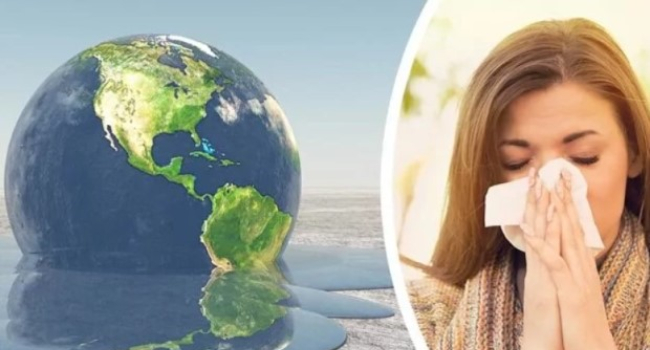
Climate change will increase people’s risk of salmonella poisoning from contaminated food, a new study warns, HealthDay News reports.
Increased humidity will make it more likely that leafy greens like lettuce will suffer from bacterial diseases, such as leaf spot, researchers reported Thursday in the journal Applied and Environmental Microbiology.
In turn, those bacterial diseases can help salmonella survive in leafy greens, increasing the risk of food-borne illness in humans, they said.
“The impact of increased humidity on healthy plants also supported salmonella's survival on plants, which would make climate change a food safety issue,” said researcher Jeri Barak, a professor of plant pathology with the University of Wisconsin-Madison. Salmonella sickens 1.2 million people in the United States every year, researchers said in background notes.
Fresh produce is the most common route of infection, as salmonella survives on many crops and persists in soil for extended periods of time.
In lab experiments, researchers varied when leafy greens were exposed to a bacteria that causes leaf spot or the salmonella bacteria.