
 make preferable
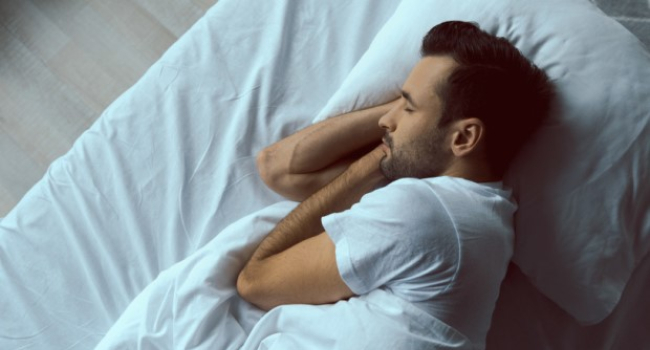
The epilepsy drug sulthiame could help prevent the breathing of patients with sleep apnea from temporarily stopping, according to international research, reports The Guardian.
Obstructive sleep apnea is a common breathing problem that affects about one in 20 people, according to the National Institute for Health and Care Excellence in England. Patients often snore loudly, their breathing starts and stops during the night and they may wake up several times. Not only does this cause tiredness, but it can also increase the risk of high blood pressure, stroke, heart disease, and type 2 diabetes.
An international study has identified that an epilepsy medication is associated with a marked reduction in sleep apnea symptoms.
The findings, presented at the European Respiratory Society Congress in Vienna, Austria, demonstrated there were possible options for those unable to use mechanical breathing aids such as continuous positive airway pressure (Cpap) machines.
The researchers conducted a randomized controlled trial of almost 300 obstructive sleep apnea patients in Belgium, the Czech Republic, France, Germany and Spain who did not use the Cpap machines. They were divided into four groups and given one of three strengths of sulthiame or a placebo.
The study measured patients’ breathing, oxygen levels, heart rhythm, eye movements, as well as brain and muscle activity while asleep, at the start of the trial, after four weeks and after 12 weeks.
It found after 12 weeks, those taking sulthiame had up to 50% fewer occasions where their breathing stopped and higher levels of oxygen in their blood during sleep. The effects were most marked in the highest doses of the drug. The researchers say the findings suggested sulthiame could be an effective treatment for the condition.





