
 make preferable
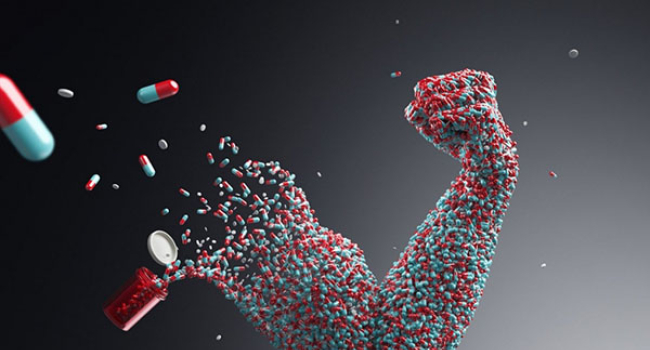
Prescribing rates for stimulants that treat attention-deficit/hyperactivity disorder (ADHD) have increased significantly over the past decade, with some of the largest increases reported during the COVID-19 pandemic, informs McLean Hospital.
A new study of adult emergency department admissions at Mass General Brigham, led by McLean Hospital researchers, found that individuals who are taking high doses of amphetamine (e.g., Adderall) face more than a five-fold increased risk for developing psychosis or mania. Findings were published September 12 in the American Journal of Psychiatry.
Overall, individuals with past-month prescription amphetamine use had a greater likelihood of new-onset psychosis or mania than individuals without past-month use.
The risk was highest in those taking 30 milligrams or more of dextroamphetamine (which corresponds to 40 mg of Adderall), according to the study.
Previous studies have linked stimulants to psychosis and mania risk; however, information had been lacking on whether dosing impacted risk.
Researchers reviewed electronic health records of Mass General Brigham patient encounters between 2005 and 2019, focusing on adults aged 16 to 35, the typical age of onset for psychosis and schizophrenia. All patients were admitted to McLean Hospital following referrals from other hospitals in the Mass General Brigham health care system.
The researchers identified 1,374 cases of individuals presenting with first episode psychosis or mania, compared to 2,748 control patients with a psychiatric hospitalization for other conditions like depression or anxiety.
They conducted a comparison analysis of stimulant use over the preceding month and accounted for other factors, including substance use, to isolate the effects of stimulants.
They found the attributable risk percentage among those exposed to any prescription amphetamine was nearly 63%, and for high-dose amphetamine, it was 81%.
These findings suggest that among people who take prescription amphetamine, 81% of cases of psychosis or mania could have been eliminated if they were not on the high dose.





