
 make preferable
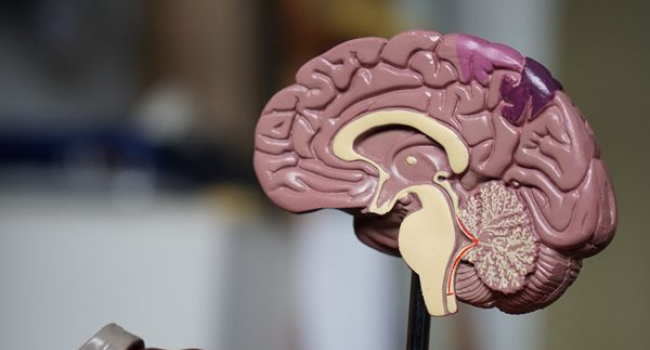
Researchers from the Northeastern University (USA) have explained the memory mechanism due to which we suddenly forget what we were just thinking about. The respective research was published on the scientific portal LiveScience, the latter reports.
Most people face situations in life when thoughts literally fly out of their heads. For example, sometimes we walk into a room and forget why you went in there, or be about to speak but suddenly realized we have no idea what we were going to say.
According to experts, in this case, it's important to know two different types of memory: long-term and working memory. Long-term memories are a broad, multifaceted category of memories that involve knowledge, experiences, and skills stored in the brain for extended periods—from hours up to an entire lifetime. On the other hand, thoughts in working memory dash through the mind for only seconds or minutes at a time..
First, working memory has very limited capacity. There's been some debate over exactly what the limit is and how to test for it, but psychologists estimate that people can hold only about four to seven "chunks" of information—such as letters, digits, words or phrases—in their working memory at a time. And rather than being aware of all of these "chunks" simultaneously, the brain bounces around from one idea to another, making it more likely that one gets lost in the shuffle
Second, the brain quickly erases unimportant things from working memory to make room for new information. So unless those short-term memories are transferred into long-term memories—a process called consolidation, they're soon gone from conscious thought.
Researchers have noted that the brain isn't actually capable of multitasking. It has to "juggle" different thoughts as our working memory darts around to different ideas. That requires conscious effort and attention, which are overseen by the brain's prefrontal cortex, a region involved with complex learning, decision making, and reasoning. If attention becomes focused on only one of those thoughts or is diverted somewhere new, the brain loses track of the earlier thoughts.
Experts advise against multitasking as much as possible, as juggling thoughts makes forgetting more likely. If this happens, however, one can try to recreate the context by recalling the previous thought process. According to them, those context clues might give the brain the extra boost it needs to reach back a few seconds in working memory and retrieve the thought before it's gone entirely.





