
 make preferable
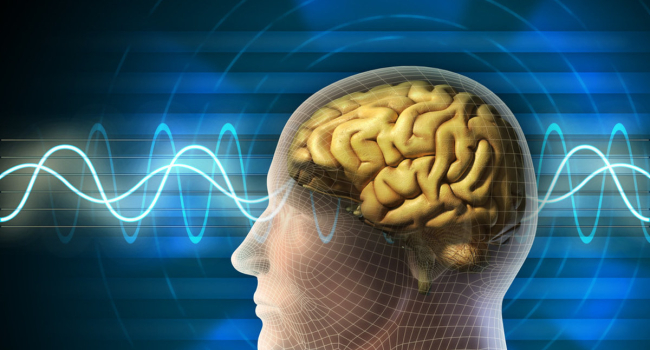
Researchers from the University of Tartu in Estonia have discovered that the human brain shows considerable activity even after cardiac arrest, reports LADbible newspaper.
Researchers have had an unexpectedly rare opportunity to study brain activity at the moment of death. An 87-year-old patient suffering from epilepsy had a heart attack during a planned examination. The researchers continued to record an electroencephalogram—a recording of brain activity—and noticed that the organ continued to show activity even after the heart had stopped.
What particularly attracted the attention of researchers is that the wave patterns at the moment of death resembled the patterns observed during dreams, memories, and meditation.
This discovery may shed light on the phenomenon of "life passing before the eyes," which is reported by people who experienced clinical death.
Neurosurgeon Ajmal Zemmar, who led the aforesaid scientific work, has put forward a theory that in the last moments of life, the brain reproduces the most important memories. Researchers note, however, that additional study is needed for more accurate conclusions.





