
 make preferable
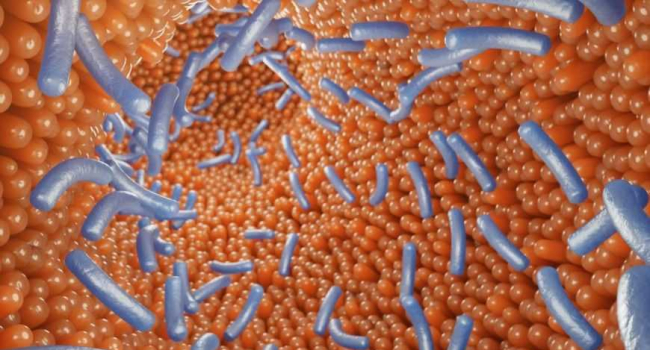
Gut microbes can manage the body's response to stress throughout the day. They produce different hormones during the day and at night, according to a study published in the journal Cell Metabolism.
The adrenal glands, which produce stress hormones, as well as the hypothalamus and pituitary gland of the brain, form a unified system that is responsible for the body's response to stress. Depletion of the intestinal microbiome can lead to hyperactivation of this system in mice. This is evidenced by the new study, in which scientists found gut bacteria that play an important role in the response to stress.
The few limosilactobacillus reuteri microbes are one of them. They control the release of stress hormones during the day. Parallel to that, changes are made in the work of certain areas of the brain. Together, gut microbes and daily brain rhythms are responsible for changing the stress response throughout the day.
Modern lifestyle disrupts circadian rhythms due to irregular sleep, high stress level, and improper nutrition. New research highlights the importance of gut microbes in stress management. The findings could form the basis of new drugs for the treatment of mental disorders related to stress, such as anxiety and depression. These conditions are often associated with violations of daily sleep rhythms and cycles.





