make preferable
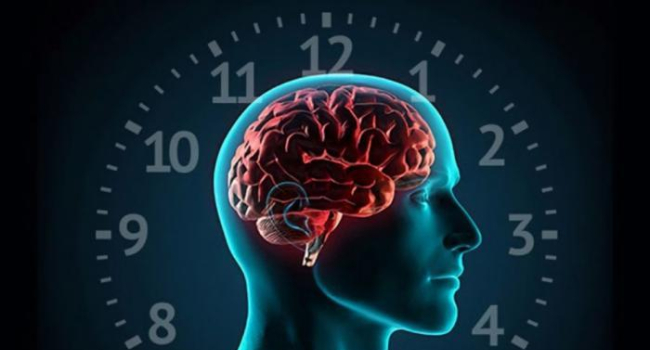
Researchers from the University of Pennsylvania have found that a mismatch between the circadian rhythms of the brain and liver leads to eating disorders and weight gain in mice. The findings are published in the journal Science. Circadian rhythms regulated by the suprachiasmatic nucleus (SCN) in the hypothalamus govern the body's biorhythms, but as the new study shows, almost every cell in the body, including liver cells, has its own “internal clock.” Disruptions in their operation can lead to metabolic disorders. The scientists found that mice with disrupted circadian rhythms of the liver had abnormal eating habits: they consumed more calories during the resting phase and throughout the 24-hour cycle. When the animals had the hepatic vagal afferent nerve (HVAN), which connects the brain to the liver, transected, the overeating stopped. The researchers explained that synchronizing the internal clock based on light and nutrition is key to normalizing metabolism. However, disruptions to circadian rhythms, such as those caused by jet lag or working at night, can lead to serious health problems, including an increased risk of cardiovascular disease and type 2 diabetes. According to the scientists, such dangerous effects are not only seen in mice, but also in humans.
Science: disruption of brain and liver circadian rhythms may lead to weight gain