
 make preferable
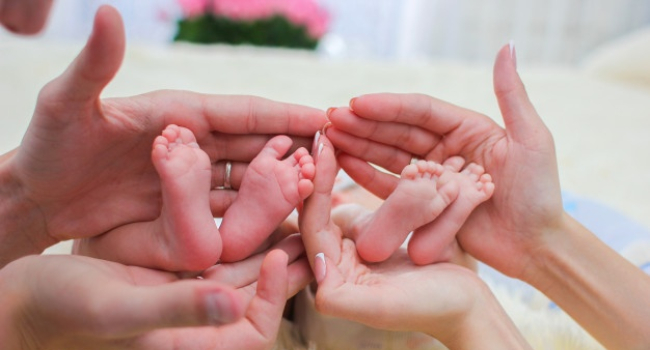
Despite the continuing decline in overall fertility rates in many countries, the number of twin births is at a historic high. Researchers have linked this phenomenon to the increasing age of women in pregnancy and the growing use of assisted reproductive technologies (ART). This is reported by The Conversation.
Multiple pregnancies occur when two different eggs are fertilized at the same time or one fertilized egg divides into two embryos. It can also be the result of hyperovulation, a phenomenon in which a woman releases more than one egg in one cycle. In this case, the age of the woman plays a key role: after the age of 35, the likelihood of hyperovulation increases. Since the 1990s, the increased use of ART techniques such as IVF has significantly contributed to the rise in multiple pregnancies. In the early stages of IVF use, more than one embryo was often transferred, increasing the likelihood of multiple pregnancies by up to 28%. However, such practices led to the “One at a Time” campaign to reduce the number of multiple pregnancies. Nevertheless, the demand for ART continues to grow. In 2021, 76,000 IVF cycles were performed in the UK alone, more than 10 times the number in 1991. While the birth of twins and triplets is often joyful, these pregnancies come with increased risks. Twins have up to a 60% chance of premature birth, and almost all triplets and more are born prematurely. This increases the likelihood of complications in the early stages of the baby's development. Studies predict a further increase in multiple pregnancies, especially in low-income countries where the age of the mothers is also increasing. Nevertheless, overall fertility continues to decline.





