make preferable
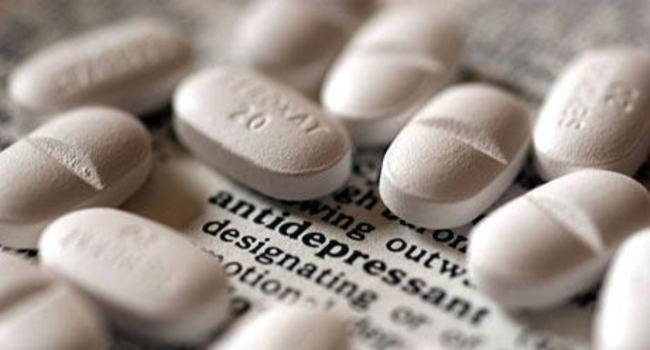
Researchers from the Salk Institute have found that the antidepressant fluoxetine can kill microbes and reduce damage to the body caused by infection. The findings are published in Science Advances. The new work builds on recent research that people taking selective serotonin reuptake inhibitors (SSRIs), such as fluoxetine, have milder COVID-19 and are less likely to have post-coital syndrome. To determine the mechanisms by which this effect is achieved, the scientists conducted an experiment on mice with bacterial infections. The animals were divided into two groups: one was given fluoxetine beforehand, and the other was not affected by this drug. The mice that received fluoxetine had fewer bacteria in their bodies eight hours after infection, indicating the antimicrobial properties of the drug and its ability to limit the growth of pathogens. The researchers then measured levels of various inflammatory molecules in each group. Mice exposed to fluoxetine had significantly higher levels of the anti-inflammatory interleukin-10 (IL-10), which prevented hypertriglyceridemia, a condition in which triglyceride levels rise in the blood. This helped maintain the heart's normal metabolic state and protect the body from infection-related diseases such as sepsis and multi-organ failure. The scientists emphasized that the drug had a protective effect on the body independent of its effect on serotonin. This means that fluoxetine could potentially be used to protect people from infections without jeopardizing mental health and emotional well-being.