
 make preferable
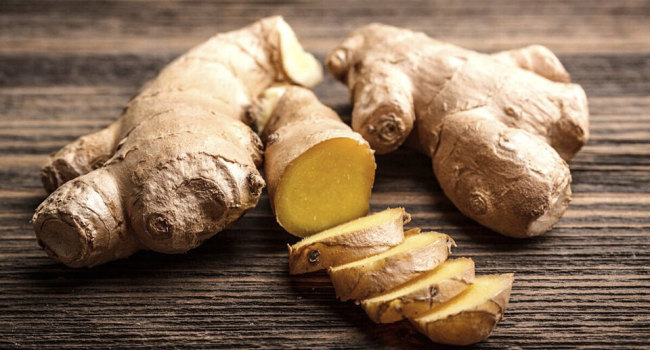
Researchers at the University of Toronto have discovered a compound called furanodienone (FDN) in ginger that may regulate a nuclear receptor involved in the development of inflammatory bowel disease (IBD). The findings are published in the journal Nature Communications (NatCom).
Inflammatory bowel diseases (IBD) are a group of chronic pathologies, usually accompanied by abdominal pain, diarrhea, weight loss and loss of energy. Joint inflammation, skin rashes, and eye lesions can also occur with GID.
Canadian scientists set out to find natural products that alleviate the symptoms of such diseases. They focused on ginger root, known for its anti-inflammatory and antioxidant properties. Analysis showed that the substance furanodienone in this product can bind to the pregnan X receptor (PXR), activating its ability to suppress the production of inflammatory cytokines in mice.
According to the scientists, an additional benefit of FDN is that it can increase the production of tight junction proteins that repair intestinal mucosal damage caused by inflammation.
The researchers noted that furanodienone, derived from ginger, may be a better option for treating GDM because it does not suppress the immune system or affect liver function. To confirm this hypothesis, the scientists plan to conduct human trials.





