
 make preferable
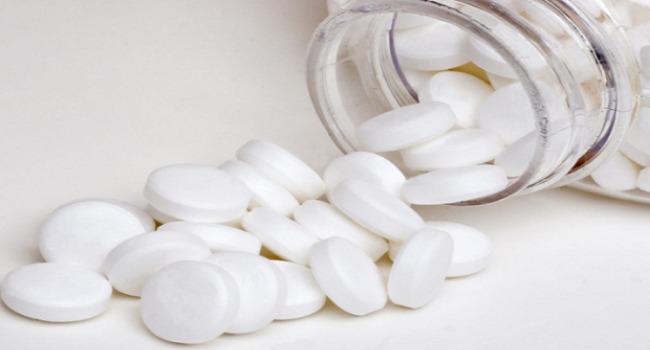
Scientists believe they have discovered how the cheap painkiller aspirin can stop cancers spreading, the BBC reports.
In animal experiments, they showed the drug enhanced the ability of the immune system to fight back.
The team at the University of Cambridge said it was an exciting and surprise discovery that could eventually lead to cancer patients being prescribed the drug - but not yet and people are advised against just taking the pills themselves.
Regular aspirin comes with risks and trials are still trying to figure out which patients are most likely to benefit..
Tantalizing data from more than a decade ago showed people who were already taking a daily aspirin were more likely to survive if they were diagnosed with cancer.
But how?
It appears to centre on a moment of vulnerability for a cancer—when a lone cell breaks off from the original tumor and tries, like a seed on the wind, to spread elsewhere in the body. This process is called metastasis and is the cause of the majority of deaths from cancer
Part of our immune defenses—a white blood cell called a T-cell—can swoop in and destroy the spreading cancer as it tries to take root.
But the study showed that another part of our blood - the platelets that normally stop bleeding - were suppressing the T-cells and making it harder for them to take out the cancer.
Aspirin disrupts the platelets and removes their influence over the T-cells so they can hunt out the cancer.
“What we've discovered is that aspirin might work, surprisingly, by unleashing the power of the immune system to recognize and kill metastasizing cancer cells,” said Prof. Rahul Roychoudhuri from the University of Cambridge.
He thinks the drug would work best in cancers that have been caught early and could be used after treatment such as surgery to help the immune system find any cancer that might already have spread..
Aspirin can cause dangerous internal bleeding including strokes so the risks have to be balanced. It is also not clear whether the effect works for all cancer or just specific ones. And this is still animal research so while the scientists think this would apply in people that will still need to be confirmed.
Some patients—with Lynch syndrome, which increases the risk of cancers—are already recommended aspirin.
But it will still take proper clinical trials to understand whether more patients would benefit, too.
These are already under way. Prof. Ruth Langley, from the MRC Clinical Trials Unit at University College London, is leading the Add-Aspirin trial to see if aspirin can stop early stage cancers from coming back.
She said the study's results were "an important discovery" as they would help to work out "who is most likely to benefit from aspirin after a cancer diagnosis.”
However, she again warned of the risks of taking aspirin and to "always talk to your doctor before starting.”





