
 make preferable
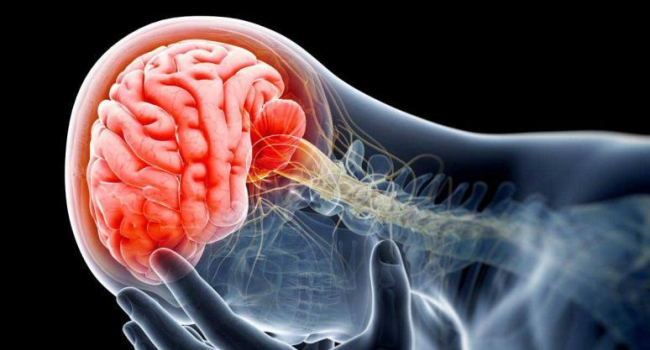
Traumatic events can leave indelible marks on us that can affect our very aging process. A recent study by scientists has shown how traumatic brain injury (TBI), such as that sustained in accidents or combat, can alter the pattern of deposition of proteins associated with Alzheimer's disease, potentially leading to course-shifting trajectories of brain aging, PsyPost writes.
The study, published in the journal Brain Communications and led by Hannah de Bruin, a PhD student at the University of Amsterdam Medical Center, involved 103 male Vietnam War veterans, with an average age of 67, Focus reports. Among them, 65 had a history of TPM, while 38 had no such injuries.
Using state-of-the-art positron emission tomography (PET), the researchers observed that while the overall levels of amyloid-beta and tau proteins did not differ significantly between the two groups, their distribution in the brain was markedly different.
In people with TPM, these proteins were concentrated in the frontal and parietal regions, areas prone to damage during traumatic events, while in people without TPM, the proteins accumulated predominantly in the temporal regions, which are typically associated with early stages of Alzheimer's disease.
This change in distribution suggests that TPMs do not necessarily increase the total amount of amyloid-beta and tau proteins, but may affect where they accumulate and how they interact, the authors said. Such changes may contribute to distinct patterns of neurodegeneration that differ from the usual progression seen in Alzheimer's disease.
Understanding these unique patterns is crucial because it could help scientists develop more personalized approaches to monitoring and treating people with TDM. The study results demonstrated the importance and necessity of considering individualized trauma histories when assessing risk and progression of neurodegenerative diseases.
Although TPMs are associated with an increased risk of dementia, the exact mechanisms remain complex and multifaceted to understand, the researchers said. This study adds a valuable piece to a larger puzzle, but there is still much work ahead for science to explore the precise processes behind such changes.
The authors believe that personalized medical strategies that take into account individual injury profiles and pathological protein patterns may be key to effectively addressing the long-term effects of TPA.





