
 make preferable
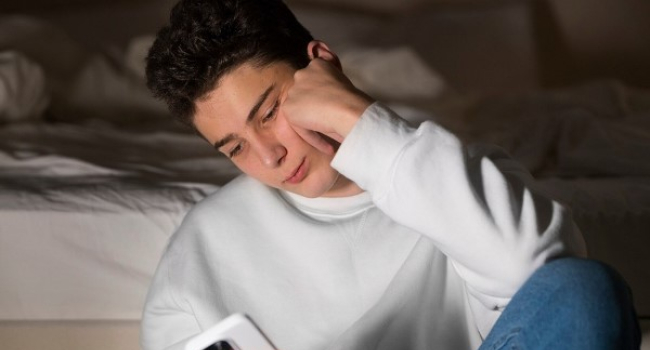
Researchers from the University of Cambridge have found that young people with mental health problems spend more time on social media and have different feelings about them than those who do not have such problems. This is especially true for teenagers who have "internalizing" disorders; in particular, anxiety and depression.
Such teenagers are more likely to compare themselves to others, experience mood swings due to likes and comments, and complain about a lack of self-control over the time they spend online. According to researchers, such social comparisons can reinforce feelings of insecurity and rejection, especially among those who already suffer from mental health problems.
The findings of the respective study were published in the journal Nature Human Behaviour.
The study was based on data from a survey conducted among 3,340 adolescents aged 11 to 19. It was one of the first to use clinical mental health assessments to examine social media behavior. It found that adolescents with mental health disorders spent an average of 50 minutes more per day on social media than those without such disorders.
This study does not establish cause and effect, but it does show that adolescents with mental health problems use social media differently, said lead author Luisa Fassi.
The researchers suggest that mental health disorders may alter adolescents’ online behavior, and that social media itself may contribute to their worsening condition.





