
 make preferable
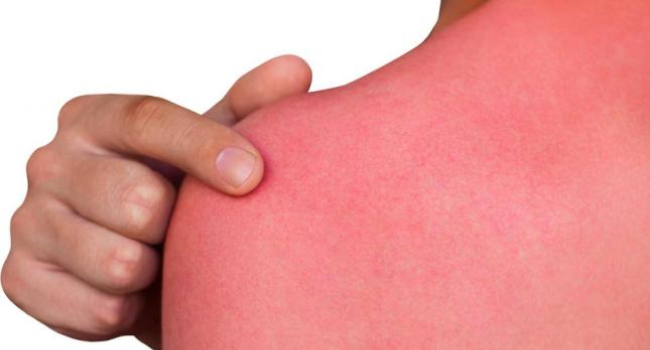
The skin microbiome plays an important role in health and disease. Researchers have now substantiated that certain skin bacteria can protect us from the sun's ultraviolet (UV) radiation specifically by metabolizing cis-urocanic acid using an enzyme called urocanase. This enables the skin's ability to fine-tune how it responds to UV radiation, reports News Medical Life Sciences.
The findings of the study in the Journal of Investigative Dermatology, published by Elsevier, provide a striking case study that demonstrates the ability of the skin microbiome to remodel host immune functions.
The skin is a vast ecosystem consisting of millions of microorganisms, including bacteria, fungi and viruses. The composition of the skin microbiome is highly unique, complex and varies greatly depending on the anatomical location.
The skin hosts a vast ecosystem composed of millions of microorganisms, including bacteria, fungi, and viruses. The composition of the cutaneous microbiome is highly unique, complex, and varies greatly depending on the anatomical location. Commensal microbes, also known as normal microbiota or indigenous microbiota that live in a beneficial or neutral relationship without causing harm, adapt their metabolism to the resources available in their microenvironment, feeding on our skin's nutrients and producing various molecules that affect their environment and interact with our skin cells.
Lead investigator VijayKumar Patra explains, "To date, many internal and external factors have been identified that influence the composition of the skin microbiome. These include various individual parameters such as race, gender, age, hormone levels, diet, and hygiene, but environmental factors and the effects of occupation, pollution, and climate also have a major influence.”
Researchers used a combination of microbiome sequencing, immunological assays, in vitro cultures, and gnotobiotic mouse models, in which all microorganisms present are defined, to study how skin bacteria respond to UVB radiation, the type of UV radiation that typically causes sunburn. They discovered that certain skin bacteria specifically metabolize cis-urocanic acid, a photoproduct of a major UV-absorbing chromophore of the stratum corneum, trans-urocanic acid, using an enzyme called urocanase.
Compared to trans-urocanic acid, cis-urocanic acid is endowed with potent immunomodulatory properties. This microbial metabolism then limits the ability of cis-urocanic acid to inhibit immune responses, which means that skin bacteria fine-tune our skin's response to UV radiation.
The researchers point out the intriguing interplay between sunscreens, cis-urocanic acid, and the microbiome with each other, competing in and on the stratum corneum, as the most superficial layer of the skin.





