
 make preferable
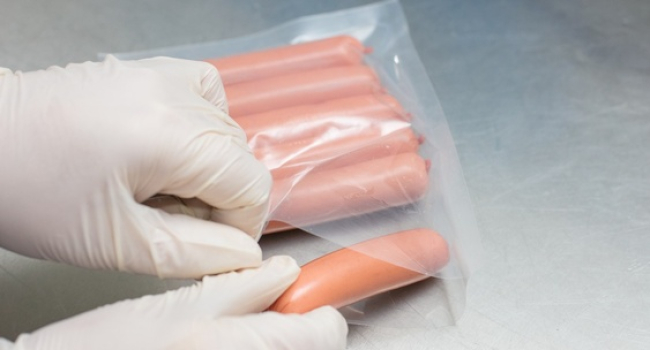
An international team of researchers from Switzerland, France, and the United States has found that synthetic chemicals in food packaging and ultra-processed foods may negatively affect health, causing cancer, cardiovascular disease, metabolic disorders, neurodegenerative and reproductive system disorders. The study was published in the scientific journal Nature Medicine.
Food contact chemicals (FCCs), such as bisphenols, phthalates, and PFAS (per- and polyfluoroalkyl substances), enter food at various phases—from transportation and processing to packaging and preparation. Of particular concern is the increase in the consumption of ultra-processed foods (UPF), which not only contain synthetic additives, but actively absorb harmful compounds from the packaging.
According to the lead author of the study, Jane Muncke, modern packaged and ultra-processed foods, despite their convenience and attractive taste, often become a source of microplastics and dangerous chemicals. However, their impact on health has not been sufficiently studied to date.
Researchers call for a review of the regulatory framework, including tightening control over the use of chemicals in the food industry, the development of safe packaging materials, and reducing the consumption of UPF.
New methods for testing the penetration of microplastics and harmful substances into foods are also needed.





