
 make preferable
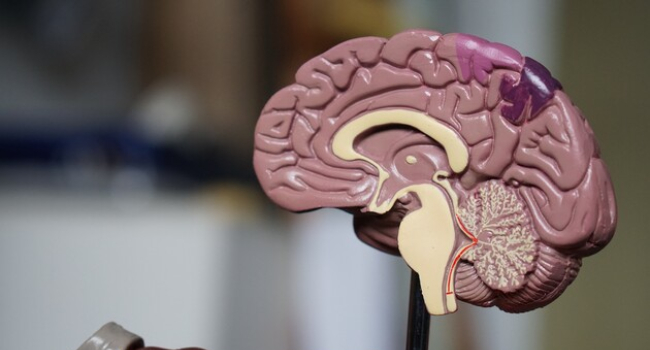
According to scientists from the University of Pittsburgh School of Medicine, the microstructure of the white matter of the brain of three-month-old babies can predict how their emotions and ability to self-soothe will develop. Findings of the respective were published in the journal Genomic Psychiatry.
The study involved 95 infant-caregiver pairs. The researchers used Neurite Orientation Dispersion and Density Imaging (NODDI), a cutting-edge MRI technique that provides unprecedented detail about brain tissue organization. This made it possible to assess how the organization of nerve fibers affects emotional responses in early life.
Particular attention was paid to the connections between areas of white matter—the brain responsible for self-awareness, attention, and cognitive control. These neural networks form the basis for emotional regulation throughout life.
The analysis showed that infants with a greater dispersion of neurons in the tract connecting the two hemispheres of the brain were more prone to increased negative emotionality at nine months. This may indicate a predisposition to stronger emotional reactions.
Conversely, children with a more complex microstructure in the left cranial cortex, a region associated with executive functions, showed more positive emotions and a better ability to self-soothe.
According to the aforesaid scientists, these data may be important for early detection of risks for emotional development disorders. Identification of such neural markers at an early stage opens up prospects for early intervention and more effective support for children with high emotional sensitivity.





