
 make preferable
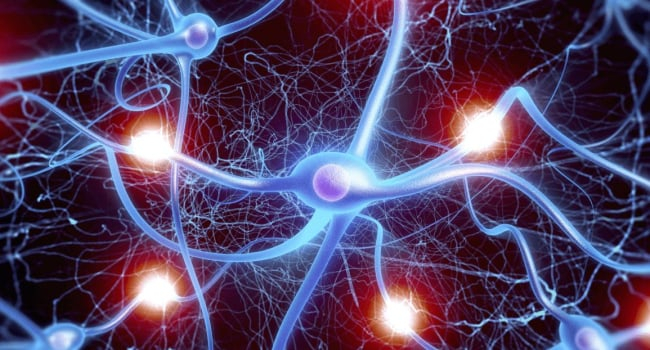
American neurobiologists from the University of Pennsylvania have uncovered the mechanism through which stress disrupts sleep and impairs memory. Experiments on mice have shown that activation of specific neurons in the hypothalamus leads to characteristic disorders, and their suppression - improves the condition. The study was published in the scientific edition of the Journal of Neuroscience (JON).
Specialists artificially stimulated neurons of paraventricular nucleus (PVN) hypothalamus in the brain of rodents, which led to a reduction in sleep time and deterioration of memory.
Under stress, suppressing the same neural circuits partially restored memory and improved sleep.
The team concluded that both stress and artificial activation of PVN neurons affect the lateral hypothalamus (LH). The resulting PVN-LH neuronal pathway was found to be critical in the development of stress-induced sleep and memory disorders.
The findings open new possibilities for the development of treatments for stress-related sleep disorders and cognitive dysfunction.





