
 make preferable
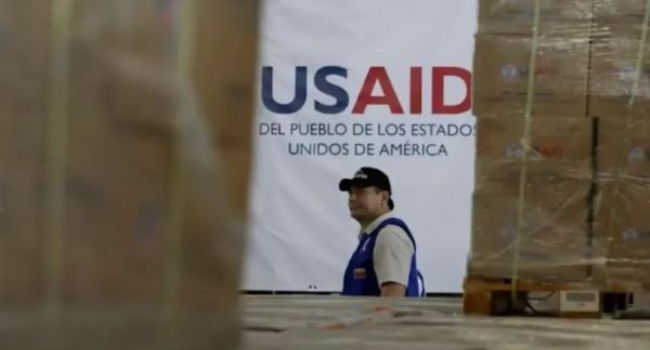
More than 14 million people could die over the next five years due to the Trump administration's elimination of the U.S. Agency for International Development (USAID), according to an analysis published Monday in the medical journal The Lancet.
Researchers calculated the life-saving benefits of USAID funding over a 21-year period and then used the findings to determine how many lives would be lost without USAID funding in the future. The analysis found that from 2001 to 2021, USAID-funded programs prevented nearly 92 million deaths in 133 countries, including more than 25 million deaths from HIV/AIDS, nearly 11 million from diarrheal diseases, 8 million from malaria, and nearly 5 million from tuberculosis.
In March, Secretary of State Marco Rubio announced that he was canceling 83% of USAID programs, which he said were not in the “core national interest of the United States,” and added that the State Department would take over about 1,000 of the remaining programs.
The action has caused many overseas humanitarian organizations to shut down completely, closing food kitchens and medical clinics in underserved countries and in some cases delaying or halting the distribution of life-saving medicines, mosquito nets to protect against malaria, food packets for starving children and chlorine tablets to disinfect dirty water.
An analysis by a team of international researchers from Spain, Brazil, Mozambique and the United States estimated the impact of an 83% cut in funding if it were to continue until 2030. The authors of the study concluded that of the more than 14 million projected deaths, about 4.5 million would be among children under 5 years of age.
According to a model developed by a researcher from Boston University, cuts in funding to aid and support organizations in the United States result in 88 deaths per hour.





