make preferable
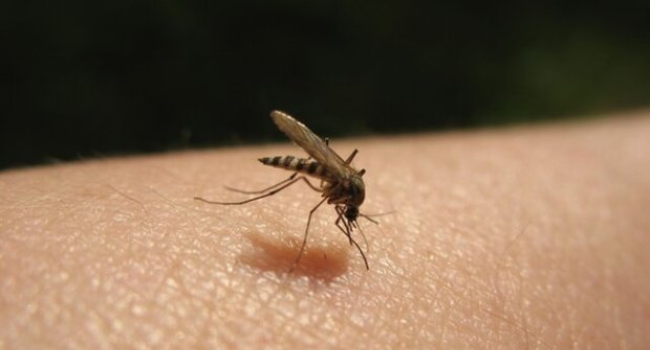
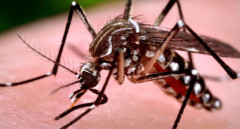
Researchers at the University California San Diego have genetically modified mosquitoes to completely prevent the transmission of malaria parasites, which is a real breakthrough in the fight against this disease.
The findings of the respective study were published in the medical journal Nature.
The teams of researchers used CRISPR-Cas9 technology to precisely replace a single amino acid in the FREP1 protein of Anopheles stephensi mosquitoes. The original L224 was replaced with a sterilizing Q224 variant, which disrupts the malaria parasite's ability to reach the mosquito's salivary glands. At the same time, the mosquitoes themselves did not lose reproductive viability either in laboratory conditions or when breeding in populations.
To spread this modification throughout the population, the researchers developed an allelic-drive system that is likely to be inherited by the mosquito’s offspring. The method is similar to recent attempts, for example, to eliminate insecticide resistance in fruit flies.
And the results showed the following:
Mosquitoes with the Q224 protein were able to completely resist malaria parasites.
Their vital functions were almost indistinguishable from unmodified individuals, and this increases the likelihood of the mutation spreading successfully in the wild.
The researchers note that they do not yet fully understand the mechanisms, but the change was quite effective.