
 make preferable
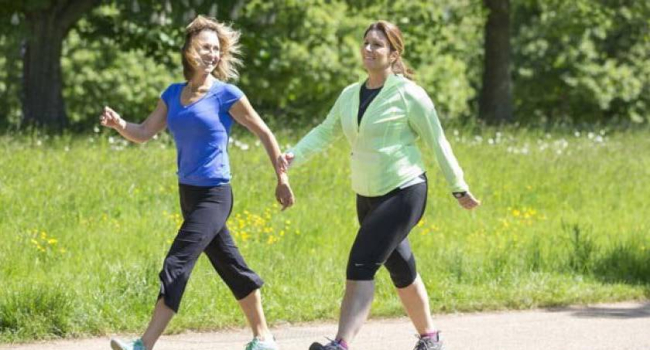
American researchers have found that increasing the pace of daily walks can significantly reduce the risk of premature death. The results of the study were published in the American Journal of Preventive Medicine (AJPM).
The scientists analyzed data on the health and physical activity of more than 79,000 residents of the southeastern United States, regions with a high prevalence of low-income people. The researchers assessed the duration and intensity of the participants' walks and then compared the results with mortality rates over the years of observation.
They found that just 15 minutes of brisk walking a day reduced the risk of premature death by almost 20%. At the same time, three hours of slow walking had a less pronounced protective effect. The pace of walking had the greatest impact on the risk of death from cardiovascular disease.
“The aerobic exercise provided by brisk walking improves heart function, increases oxygen delivery to tissues, and helps control body weight, blood pressure, and cholesterol levels,” the authors explain.
According to the scientists, the results highlight the accessibility and effectiveness of simple physical activity in combating chronic diseases, especially among socially vulnerable groups.





