
 make preferable
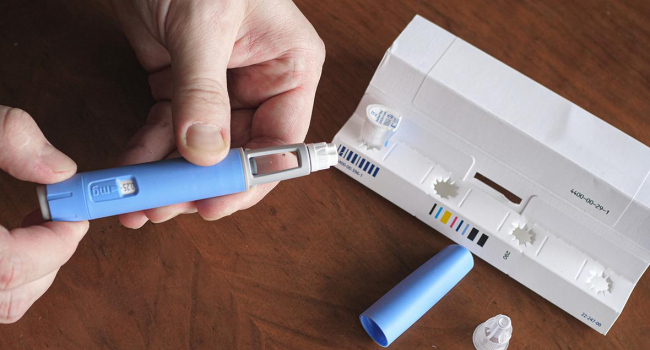
A six-month analysis presented at the annual meeting of the European Association for the Study of Diabetes in Vienna revealed that half of adults without diabetes who began treatment with semaglutide (GLP-1RAs) discontinue its use within the first year, Medical Xpress reports.
Semaglutide, marketed under the brand names Ozempic and Wegovy, was originally developed for the treatment of type 2 diabetes but was later approved as a weight-loss medication. It works by reducing appetite and increasing feelings of fullness, which promotes weight reduction.
However, the study found that discontinuation of the drug is linked to several factors. Young adults aged 18–29 are 48% more likely to stop treatment compared to those aged 45–59.
In addition, residents of low-income areas are 14% more likely to discontinue treatment, which may be related to the high cost of the medication — around €2,000 per year for the minimum dose.
It was also noted that people with a history of gastrointestinal conditions or mental health disorders are 9% and 12% more likely, respectively, to discontinue treatment. This may be due to increased sensitivity to side effects such as nausea, vomiting, and diarrhea.
Interestingly, men are 12% more likely to stop treatment than women, which may indicate unsatisfactory weight-loss outcomes, given that women generally lose more weight when using GLP-1RAs.
Researchers emphasize the importance of long-term adherence to treatment in order to achieve sustainable results and warn about the risk of weight regain after discontinuing the drug. They also highlight the need to develop strategies aimed at improving treatment adherence, particularly among young people and socially vulnerable groups.





