
 make preferable
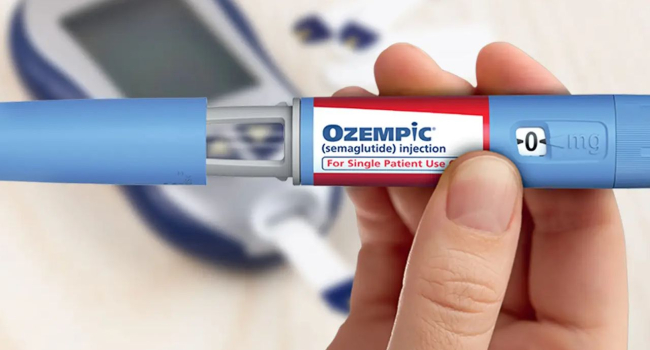
Weight-loss drugs such as Ozempic may increase the intensity of taste perception. This conclusion was reached by researchers at the University of Bayreuth in Germany. The findings were presented at the annual meeting of the European Association for the Study of Diabetes (EASD) in Vienna.
The study involved 411 people with obesity and overweight. Researchers analyzed participants’ medical histories to determine whether they had previously been prescribed glucagon-like peptide-1 (GLP-1) analogues. These medications help regulate appetite, blood sugar levels, and metabolism.
The results showed that about 20% of patients experienced changes in taste perception while using such drugs — food began to taste sweeter or saltier than before. This effect was observed in those treated with Ozempic and its analogues for at least three months.
In addition to taste changes, most patients reported reduced appetite, faster onset of satiety, and decreased food cravings. According to the researchers, these changes may contribute to better weight control.
The scientists believe that the effect is linked not only to the drugs’ influence on the gut and brain hunger centers but also on taste receptors, making food taste more intense while reducing its appeal in larger quantities.
At the same time, the researchers emphasized that taste alterations are not a direct factor in weight loss. The overall outcome also depends on metabolism, lifestyle, and duration of therapy. Nevertheless, monitoring taste changes may help physicians more accurately assess treatment effectiveness and provide more personalized dietary recommendations.





