make preferable
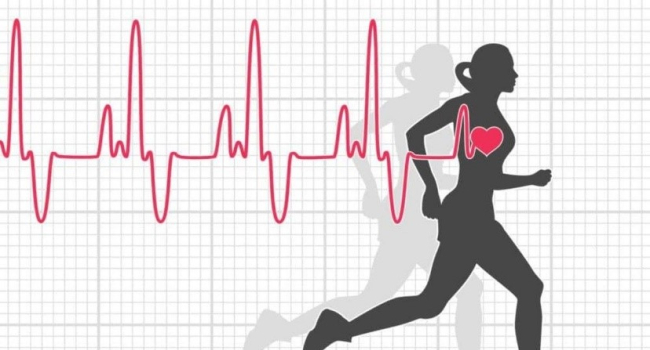
Women receive more pronounced cardiovascular protection from physical activity than men, even with lesser amount of exercise, a new study has shown. The findings of this study were published in the journal Nature Cardiovascular Research (NCR).
The researchers analyzed data from over 80,000 people without diagnosed ischemic heart disease, as well as data from about 5,000 patients who already had cardiovascular conditions. To assess activity, data from movement trackers were used, measuring the time spent in moderate to vigorous intensity physical activity (MVPA) over a week — minutes during which the intensity was high enough to improve heart health.
The results showed that women who performed at least 150 minutes per week of MVPA — the minimum recommended norm — reduced their risk of developing ischemic heart disease by approximately 22%, while men with the same activity saw a risk reduction of about 17%. To achieve roughly a 30% risk reduction, women needed about 250 minutes per week, whereas men required approximately 530 minutes. Even among people with preexisting heart disease, physical activity had a positive effect on survival, and this effect was more pronounced in women than in men.
The researchers emphasize that current physical activity guidelines do not practically differentiate between men and women and often focus on the same amount of exercise for everyone. The findings suggest that a “one-size-fits-all” approach may not be optimal, particularly for women, who gain the most benefit from lesser amount of movement.
At the same time, the study has limitations: most participants were of European descent and generally led relatively healthy lifestyles, so the results may not fully reflect the situation across the entire population.
Overall, the study’s conclusion is clear: physical activity is especially important for women, and even lower-than-recommended amounts of exercise for men can significantly reduce the risk of cardiovascular disease. This is important news for everyone who wants to take care of their heart — movement really works, and its benefit may be particularly noticeable in women.