
 make preferable
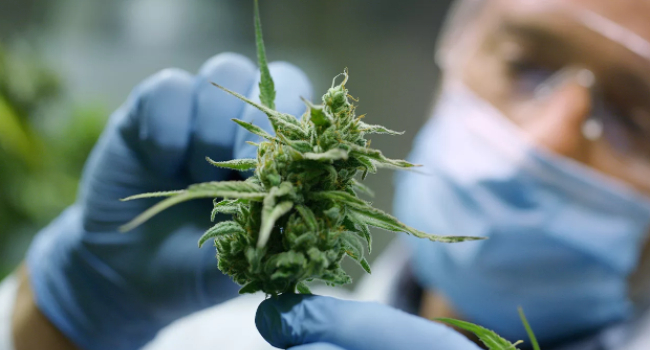
Researchers at McGill University have found that people who use both cannabis and tobacco show notable differences in brain activity compared to those who use only cannabis, reports Science Daily.
These findings help explain why individuals who combine both substances more frequently experience anxiety and depression, and why quitting cannabis is often more difficult for them.
“This is the first human data on a molecular mechanism that may explain why people combining cannabis and tobacco experience more severe effects,” said Rachel Rabin, lead author of the study, Associate Professor in the Department of Psychiatry at McGill University and researcher at the Douglas Research Centre. She emphasized that understanding this mechanism is important for developing new treatments for cannabis-related disorders, particularly for those who also smoke tobacco. Currently, the main treatment remains behavioral therapy, such as counseling.
Although overall tobacco use is declining in Canada, most cannabis users continue to consume tobacco. Previous studies mostly examined each substance separately, leaving a gap in knowledge that this new study begins to address.
Using positron emission tomography (PET), researchers found elevated levels of the enzyme FAAH in individuals combining cannabis and tobacco. FAAH breaks down anandamide, a natural brain compound often called the “happiness molecule.” Higher FAAH levels reduce anandamide, which is linked to anxiety, depression, and an increased risk of relapse when trying to quit cannabis.
The study involved 13 young adults: eight used only cannabis, and five used cannabis and cigarettes daily. The average cannabis consumption was just over one gram per day, with cigarette use ranging from one to twelve per day. While the effects of tobacco on the brain are not yet fully understood, the results indicate a complex interaction between the substances and a strong effect from combining them.
Researchers plan to follow up with a study examining brain changes in tobacco users without cannabis to better understand the role of tobacco.





