
 make preferable
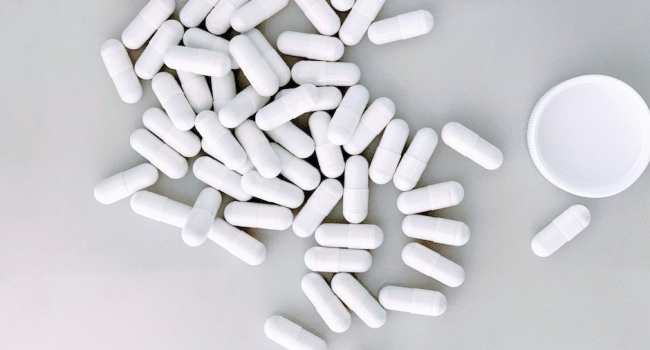
Merck has introduced a new medication that specialists are already calling a potential breakthrough in the treatment of cardiovascular diseases.
A pill called enlicitide reduces the level of “bad” cholesterol (LDL) by up to 60%, which is comparable to the effect of injectable PCSK9-class drugs, but without the need for injections, HealthDay reports.
The respective study involved 2,912 people who had suffered a heart attack, a stroke, or had a high risk of cardiovascular complications. For 24 weeks, participants took either enlicitide or a placebo. In the first group, patients’ low-density lipoprotein levels decreased by up to 60%. Moreover, the frequency of side effects was the same in both groups.
If the effectiveness of this medication is confirmed in further trials, the pill could become a more affordable alternative to existing injections such as Repatha (Amgen) and Praluent (Regeneron and Sanofi).
Dr. Dean Li, president of Merck Research Laboratories, told The Times that the company hopes to keep costs down and make the treatment as simple and routine as taking aspirin.
"The dream is to democratize PCSK9," Li explained. "This dream has the possibility of coming true."
Creating a pill form was considered practically impossible because the structure of the PCSK9 protein makes it difficult for small molecules to work. Merck specialists spent nearly ten years developing a new type of substance—a cyclic peptide—which, although about one hundred times smaller than antibodies, maintains the necessary activity.
Merck is now running a larger study involving more than 14,500 people to confirm whether the cholesterol reductions lead to fewer heart attacks, strokes, and deaths.
Dr. Christopher Cannon, a cardiologist at Brigham and Women's Hospital in Boston, welcomed the development.
If the results hold up, he told The Times, this could "be a game changer."





