
 make preferable
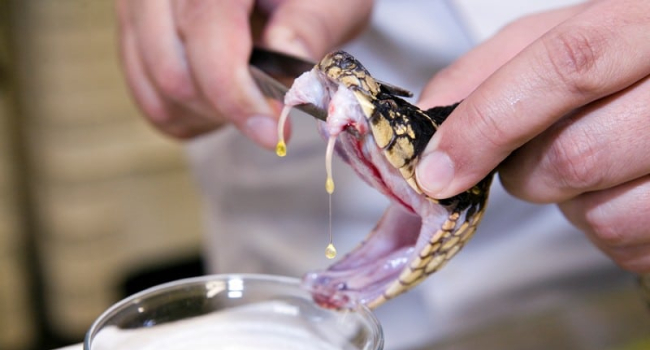
According to a study published in Trends in Biotechnology, the technology used in COVID-19 vaccines may help prevent muscle damage caused by snakebites. Scientists from the University of Reading and the Technical University of Denmark investigated whether mRNA technology could protect against the effects of the venom of a rattlesnake species found in Central and South America. This venom destroys muscle tissue, often leaving victims with long-term disabilities even after treatment.
The research team encapsulated specific mRNA molecules in tiny lipid particles that, when injected into muscle tissue, instruct cells to produce protective antibodies that prevent venom-induced injury, reports Nauchnaya Rossiya. Such treatment could significantly reduce the risk of injuries and complications from snakebites, which kill around 140,000 people and leave 400,000 disabled worldwide each year.
Professor Sakthi Vaiyapuri, lead author of the study from the University of Reading, said: “We have demonstrated for the first time that mRNA technology can protect muscle tissue from damage caused by snake venom. This opens completely new possibilities for treating snakebites, especially local tissue damage, which is difficult to prevent with current antivenoms.”
Professor Andreas Laustsen, one of the study’s co-leaders at the Technical University of Denmark, explained: “We tested this method on snake venom, but the technology may be even more useful for conditions where toxins cause gradual harm. For example, it could help block toxins produced by bacteria during infections.”
Modern antivenoms are effective at neutralizing toxins in the bloodstream but struggle to penetrate damaged muscle tissue at the bite site. In laboratory tests using human muscle cells, the new approach reduced damage caused both by an isolated toxin and by whole venom. Protective antibodies appeared 12–24 hours after the mRNA injection. In mice, a single mRNA dose protected muscle tissue from toxin-induced injury when administered 48 hours before venom exposure.
The treatment reduced key markers of muscle damage. Mice that received the mRNA therapy before toxin exposure showed lower levels of enzymes such as creatine kinase and lactate dehydrogenase, which are released when muscles are damaged. The therapy also preserved healthy muscle structure.
The scientists say their approach could be used alongside traditional antivenoms. Standard treatments target toxins circulating in the blood, while antibodies delivered through mRNA can protect local tissues that antivenoms cannot reach, as well as neutralize toxins in the bloodstream.
However, the researchers note that several challenges must be addressed before the new therapy can help patients. It takes several hours for antibodies to be produced, and the current treatment targets only one toxin. Future versions will need to protect against multiple venom components. Storage in remote areas without refrigeration also presents difficulties.
Professor Vaiyapuri concluded: “We now need to expand this approach to target several toxins present in venom, solve the issue of storage in rural areas, and ensure faster antibody production in tissues. The potential to reduce disability among snakebite victims is significant.”
The team plans to develop treatments targeting additional toxins and to test how effect.





