
 make preferable
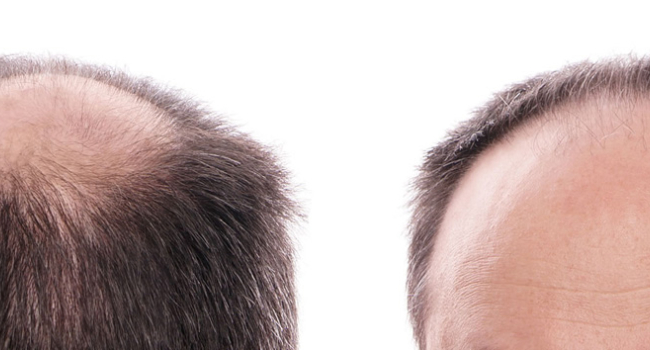
Iranian researchers have found that nonalcoholic fatty liver disease (NAFLD) is associated with an increased risk of androgenetic alopecia — the most common form of hair loss. The findings were published in Scientific Reports (SciRep).
NAFLD is a widespread metabolic condition that often goes unnoticed for a long time but can eventually raise the risk of serious complications. The condition is frequently accompanied by excess androgens, and hormonal imbalance, the authors note, may contribute to the development of androgenetic alopecia.
The researchers analyzed health data from 7,993 adults aged 35–70. Androgenetic alopecia was identified in 6,004 participants, and NAFLD in 2,736. The results showed that fatty liver increased the risk of hair loss by 31%.
The association was particularly strong among women, where the risk of androgenetic alopecia rose by 62%. High carbohydrate intake (a 45% increase in risk) and low physical activity (48%) also emerged as notable vulnerability factors. Importantly, the link persisted even after adjusting for key confounders — from total calorie intake and macronutrient composition to insulin resistance and inflammation levels.





