
 make preferable
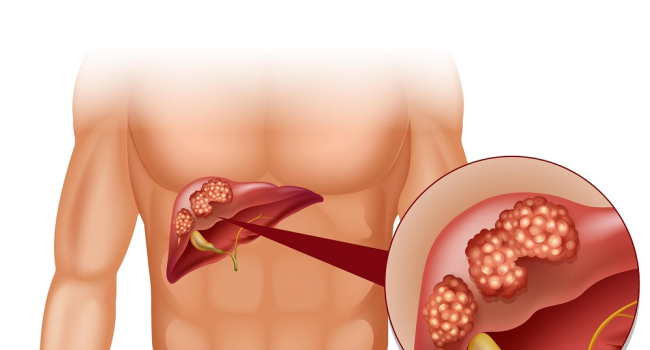
Stimulating the production of the LSECtin protein in the liver acts as an immune “switch,” slowing the progression of cirrhosis, according to researchers from Miguel Hernández University in Spain. The study was published in the Journal of the European Association for the Study of the Liver (EASL).
Cirrhosis is accompanied by chronic inflammation, which accelerates liver tissue damage. The researchers found that reduced LSECtin production is associated with a surge in Th17 cells—an aggressive type of lymphocyte that worsens liver injury. Tissue analysis from patients confirmed that LSECtin loss is a hallmark feature of cirrhosis.
To test whether protective mechanisms could be enhanced, the team used laboratory mice with artificially increased LSECtin levels. Higher production of the protein reduced inflammation and protected liver tissue, highlighting the potential of restoring its levels.
A key finding was that LSECtin acts through the LAG-3 receptor—a molecule that regulates immune responses and is attracting growing pharmaceutical interest. The interaction between LSECtin and LAG-3 blocks Th17 cell proliferation while promoting the development of regulatory immune cells that reduce inflammation.
The researchers hope that these findings will pave the way for drugs that mimic LSECtin’s action. Such an approach could help control inflammation at different stages of cirrhosis and slow disease progression.





