
 make preferable
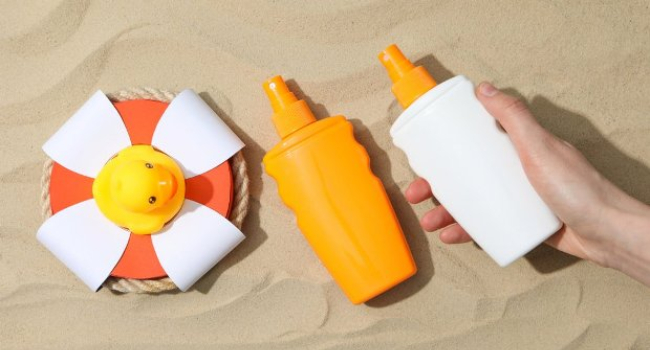
Americans may soon gain access to a new sunscreen ingredient that is already used worldwide, Health Day reports.
On December 11, the U.S. Food and Drug Administration (FDA) announced that it is reviewing a proposal to allow the use of bemotrizinol in sunscreens sold in the United States. This ingredient has already been approved and is widely used in Europe, Australia, and parts of Asia. Bemotrizinol provides broad-spectrum protection against both UVA and UVB rays, which are known to damage the skin and increase the risk of cancer.
According to the FDA, the ingredient “has a low level of absorption through the skin into the body and rarely causes skin irritation.”
Currently, the FDA strictly regulates sunscreen formulations through a process that determines whether they are “generally recognized as safe and effective.”
Any new active ingredient must undergo a detailed review for safety and effectiveness before it can be added to products sold in the United States.
The request to add bemotrizinol was submitted by DSM Nutrition Products LLC, a European company based in Switzerland and the Netherlands. The FDA has published the proposal for public comment and will now evaluate the ingredient before deciding whether to permit its use in U.S. sunscreens.
Health experts say that better sunscreens are urgently needed. Most cases of skin cancer are caused by excessive ultraviolet exposure, whether from the sun, tanning beds, or sun lamps. Protective clothing, hats, sunglasses, and shade all help limit UV exposure, but sunscreen remains a key line of defense.
Chemical sunscreens absorb ultraviolet rays and convert them into heat, while mineral sunscreens—such as zinc oxide and titanium dioxide—sit on the surface of the skin and block the rays from penetrating it.





