make preferable
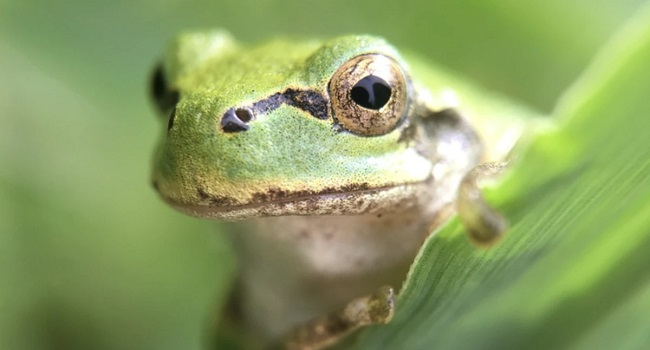
Scientists from the Japan Advanced Institute of Science and Technology (JAIST) have discovered that a bacterium from the gut of the Japanese tree frog can completely destroy tumors in laboratory experiments on mice, opening a new перспективе for cancer treatment.
The study was published in the journal Gut Microbes and proposes a new foundational platform for the development of natural bacterial therapies against cancer.
A single intravenous injection of this bacterium in mice with colorectal cancer led to complete tumor regression in all cases, significantly outperforming standard treatment methods.
The researchers turned their attention to the gut microbes of amphibians and reptiles because spontaneous tumors are extremely rare in these animals, despite conditions that usually increase cancer risk—long lifespans relative to body size and extreme cellular stresses associated with metamorphosis and regeneration.
They isolated 45 bacterial strains from the intestines of Japanese tree frogs (Hyla japonica), Japanese fire-bellied newts, and Japanese grass lizards, and then narrowed the selection to nine strains with antitumor activity. Among them, Ewingella americana from frogs showed the greatest effectiveness.
The bacterium has a dual mechanism of action:
-
it selectively accumulates in tumor tissue with low oxygen levels, allowing it to multiply inside the tumor without affecting healthy organs;
-
it then directly kills cancer cells through released toxins while simultaneously enhancing the body’s immune response by stimulating T cells, neutrophils, and B lymphocytes to attack the tumor.
After the bacterium was introduced into the bloodstream of mice, tumors completely disappeared, and the animals developed long-term immune memory—reintroduction of cancer cells did not lead to the growth of new tumors. E. americana is cleared from the bloodstream within the first 24 hours and causes only short-term inflammation that subsides within a few days, with no signs of damage to vital organs.
The scientists emphasize that this research has so far been conducted only in preclinical mouse models, and although the results are promising, it remains to be determined how effective and safe this approach will be in humans.