make preferable
Men who more often choose sunlight and spend more time outdoors are less likely to experience symptoms of depression and sleep problems. This conclusion was reached by U.S. researchers who analyzed data from the U.S. National Health and Nutrition Examination Survey (NHANES) covering the years 2009–2020. The study was published in the journal PLOS ONE.
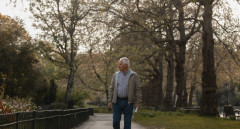
In their research, the scientists used a new measure called “sunlight affinity.” It reflects how psychologically comfortable a person feels in sunlight and how often they actually spend time outdoors. The measure takes into account both preferences (for example, choosing to be in the sun rather than in the shade) and real behavior—namely, the amount of time spent outdoors during daylight hours.
The authors note that attraction to sunlight is linked to biological processes, including circadian rhythms, melatonin production, and serotonin regulation. People with a high affinity for sunlight more often report feeling alert, having a good mood, and being more active during daylight hours. By contrast, low sunlight affinity may manifest as discomfort in bright light and a preference for dimly lit environments.
The researchers analyzed data from 7,306 men aged 20 to 59. Participants answered questions about depressive symptoms, sleep quality and duration, as well as their habits related to sun exposure. Depressive symptoms were assessed using a standard questionnaire, while sleep disturbances were identified based on self-reports.
The results showed that men with a stronger affinity for sunlight had fewer depressive symptoms on average and were less likely to report sleep problems. At the same time, their sleep duration was slightly shorter than that of participants with low sunlight affinity.
The scientists emphasize that long-term follow-up studies are needed to confirm these findings. Nevertheless, the work adds to a growing body of research highlighting the importance of daylight exposure and time spent outdoors for mental health and sleep regulation.