make preferable
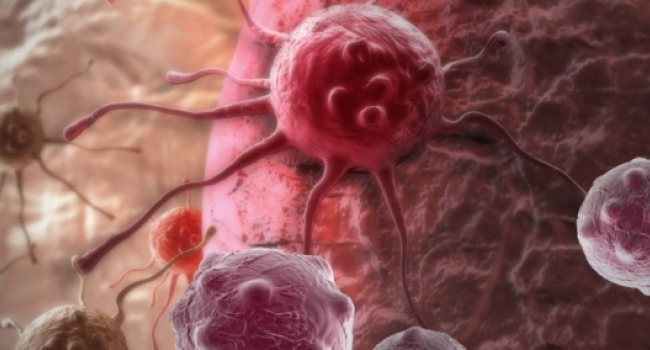
An international team of scientists has, for the first time, identified a mechanism that allows breast cancer cells to metastasize to the brain—one of the most dangerous and treatment-resistant forms of tumor spread.
The study, published in Nature Genetics, involved researchers from fourteen laboratories across six countries, including Israel, the United States, Italy, Germany, Poland, and Australia.
The scientists note that most cancer-related deaths are caused not by the primary tumor, but by its metastases to vital organs, including the brain, where current treatment methods are often ineffective.
One of the key questions in oncology for a long time has been why certain tumors “prefer” specific organs and how they adapt to an environment that is completely different from the tissue in which they originally arose.
The team used a comprehensive approach combining analysis of genetic changes in cancer cells, investigation of their interactions with the microenvironment, biochemical experiments, and animal models. As a result, the researchers discovered that loss of function of the p53 gene—a fundamental regulator of cell growth and division—plays a crucial role in enabling breast cancer cells to colonize brain tissue.
The absence or impairment of p53 is accompanied by increased fatty acid synthesis in cancer cells, providing them with the energy resources and structural components needed for active growth and division in the brain environment, which differs significantly from breast tissue.
Another important part of the mechanism involves interactions between cancer cells and astrocytes—supporting cells of the brain that secrete nutrients and signaling molecules. Cells with defective p53 efficiently “hijack” these substances and use them for their own metabolism, further promoting their survival and spread in the brain. The researchers also found that the enzyme SCD1, which is involved in fatty acid synthesis, is significantly more active in these cancer cells.
Tests of SCD1 inhibitor drugs showed that their use can substantially slow the growth of brain metastases both in animal models and in samples of human tumors. This opens the door to the development of new therapies aimed not at the primary tumor itself, but at its ability to spread to the brain. In addition, the findings may help physicians identify patients at high risk of developing brain metastases at an earlier stage—based, for example, on p53 mutations or structural changes in chromosome 17—and adjust monitoring and treatment strategies accordingly.
The authors emphasize that while this represents an important step forward, work on developing effective drugs and translating these findings into clinical practice is still ongoing, and further research will be required to confirm their applicability in cancer treatment.