
 make preferable
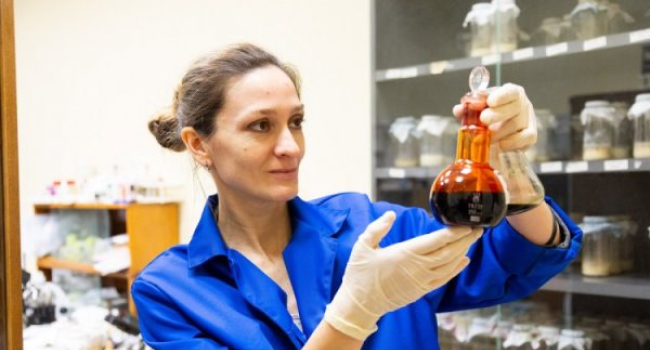
Researchers at Ural Federal University have found that an extract of bracket fungi (polypores) can protect healthy cells from DNA damage—one of the dangerous side effects of anticancer drugs—during cancer treatment. The discovery could lead to the development of new medicines with a triple effect: enhancing the effectiveness of chemotherapy while reducing its side effects and the risk of secondary tumor formation. The study, conducted on fruit flies (Drosophila melanogaster), was published by biologists in the journal Biomedicine.
“Unfortunately, modern chemotherapy often damages not only tumor cells but also healthy ones. During chemotherapy, most anticancer drugs damage the genetic material of normal cells, which can lead to severe consequences, including the development of new diseases.
That is why researchers worldwide are searching for natural ‘protectors’ that can reduce this negative effect,” says Olga Antosyuk, co-author of the study and associate professor at the Department of Biology and Fundamental Medicine at UrFU, as reported by Scientific Russia.
Protection of genetic material (DNA, chromosomes, and overall genomic stability) is needed not only during chemotherapy and radiation therapy, but also under exposure to dietary and industrial mutagens, to reduce occupational risks, especially in industrially developed regions, the biologist adds. Protective agents are also required for the prevention of age-related changes (as geroprotectors). With age, DNA damage accumulates and the activity of repair systems declines; by using agents that stimulate DNA repair, it is possible to reduce the risk of tumor formation and neurodegenerative diseases.
As potential protectors, the scientists examined three species of bracket fungi common in the Urals. Extracts of these fungi were added to the diet of fruit flies together with the chemotherapeutic drug etoposide. Because many cellular processes in fruit flies are similar to those in humans, they serve as a useful model. The researchers then assessed genetic damage in cells using the DNA comet assay. It turned out that two of the three extracts—Fomitopsis pinicola and Fomes fomentarius—not only failed to protect cells but actually enhanced the drug’s destructive effect.
“The experimental results are yet another reminder that not all natural substances are safe when combined with therapy,” Olga Antosyuk warns. “However, the third extract, from Ganoderma applanatum (the artist’s conk), demonstrated good protective properties. It reduced the genotoxic effects of the cytotoxic agent to normal levels.”
The UrFU biologists plan to further investigate the protective mechanisms of the fungi and to test them in more complex biological models.
At the next stage, the scientists will determine the optimal regimen for administering the protective agent.
“Our further plans involve testing different administration schemes for the anticancer drug and the extract—sequential and simultaneous,” Olga Antosyuk adds. “For example, administering anticancer therapy first and then using the extract for recovery afterward is important, because extracts may eliminate not only side effects but also the primary cytotoxic effect, which could lead to tumor progression. Using a simultaneous regimen implies finding an extract dose that optimally preserves the main cytotoxic effect of the anticancer drug while eliminating its side effects in the form of toxicity and genotoxicity.”
As the researchers hope, in the future the extract of Ganoderma applanatum may become the basis for companion drugs that make the fight against cancer safer.





