
 make preferable
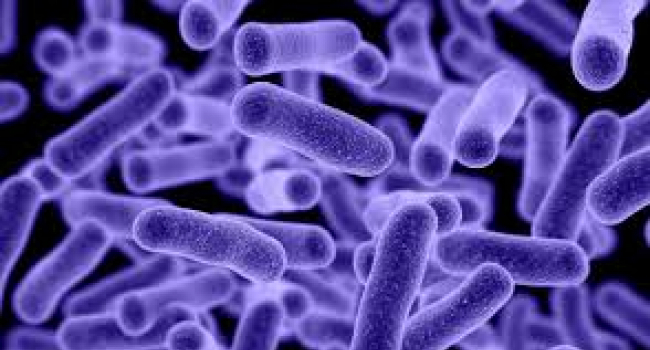
A new international study has identified an important link between the bacteria that colonize the gut early in life and the future risk of developing allergies and asthma in children. Scientists found that the development of an immune system capable of responding appropriately to allergens largely depends on which microorganisms an infant first encounters during the first months of life.
A research team led by specialists from the Technical University of Denmark (DTU Bioengineering) discovered that children whose intestines are initially colonized by certain species of bifidobacteria are less likely to become sensitized to allergens and less likely to develop asthma later in life.
These bacteria produce specific metabolites—substances that can dampen excessive immune responses to allergens, thereby reducing the likelihood of chronic allergic conditions.
The study, the results of which were published in the journal Nature Microbiology, highlights that the functional mechanisms of the gut microbiota in early life may play a key role in how the body learns to distinguish harmless substances from dangerous ones. When the gut is populated by beneficial bacteria, the immune response that develops is less prone to misguided “attacks” on everyday substances such as pollen, animal dander, or food proteins.
The researchers note that these findings open up prospects for developing preventive strategies. For example, probiotic supplements or fortified infant formulas could potentially be used to stimulate the growth of “beneficial” bacteria during the first months of life, thereby creating a natural barrier against allergies and asthma in the future. If such approaches prove effective, they could represent a significant advance in public health, as allergic diseases are among the most common chronic conditions in children worldwide.
Overall, the results underscore the importance of the initial formation of the gut microbiota and show that caring for gut health from birth may have long-term consequences for immune resilience and a child’s quality of life later on.





