
 make preferable
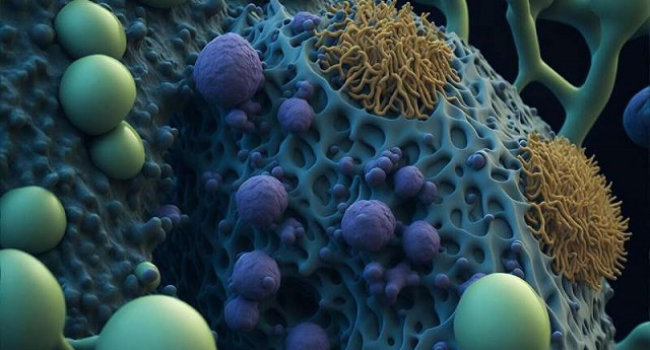
Scientists have discovered that microorganisms living in the mouth may play an important role in the development of obesity and could potentially serve as a new way to identify the risk of weight gain at an early stage.
A new study published in Cell Reports showed that the composition of oral microbes in people with obesity differs significantly from that in individuals with normal body weight.
This discovery may lead to new strategies for preventing obesity, which is a global public health problem and a chronic disease.
Obesity is diagnosed when body mass index (BMI) exceeds 30, and according to the World Health Organization, around 890 million people worldwide live with obesity, while another 2.5 billion adults are overweight. While factors such as diet, lifestyle, and genetics are known to influence body weight, gut microbes have also been shown to have a significant impact on metabolism.
However, until now, little was known about the role of microorganisms inhabiting the oral cavity, which is the second-largest microbial community in the body after the gut.
Researchers found that people with obesity exhibit changes in oral microbial communities, including shifts in nutrient metabolism pathways and patterns of microbial activity. This supports the idea that microbial communities in the body act like a vast metabolic organ, interacting with food, the immune system, and metabolic processes in ways that can promote fat accumulation and metabolic disorders.
The fact that oral microbes are linked to obesity opens the door to the development of non-invasive tests or risk markers based on saliva samples. The oral cavity is easily accessible for examination compared to the gut or other organs, and changes in its microbiota could serve as early signals of metabolic shifts that precede the development of obesity.
In this way, the oral microbiome may become a key to better understanding the causes of obesity and its prevention, highlighting the broader importance of interactions between microbes and metabolism.





