make preferable
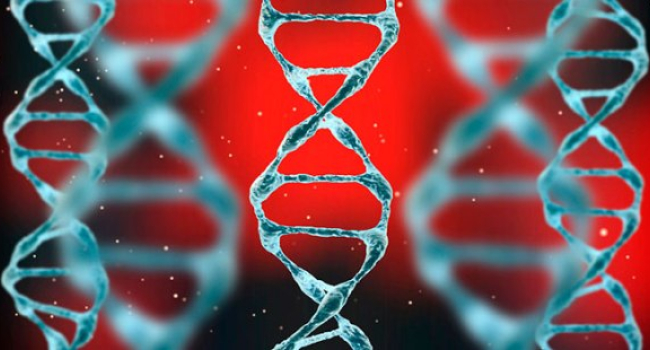
Researchers from the Faculty of Engineering at The University of Hong Kong have developed new deep-learning systems that significantly improve the detection of genetic mutations in cancer tumors and RNA, a major step forward in accurate diagnosis and research into genetic alterations.
The two algorithms, called ClairS-TO and Clair3-RNA, can process complex data and identify mutations that were previously difficult to detect, especially in samples containing tumor DNA or RNA.
The developments were published in Nature Communications and open up new possibilities for personalized medicine and genomic research.
Advanced algorithms use long-read sequencing technologies, a method that counts large, uninterrupted sections of genetic material (DNA and RNA), providing a more detailed and complete picture of the genome.
This is especially important for complex samples where traditional approaches with short fragments often fail to accurately identify changes. But thanks to new deep-learning systems, these long sequences can be identified faster and more accurately.
One of these algorithms, the ClairS-TO, is specifically designed to analyze mutations in cancer tumors without the need to compare them with normal tissues from the same patient. Traditional methods for detecting somatic mutations often require both tumor and normal tissue to be sure that the changes are truly pathological. But the new algorithm eliminates this need, and this makes the diagnosis more flexible and applicable to a wider range of situations.
The other algorithm, the Clair3-RNA, focuses on RNA sequencing analyses, and this enables a deeper understanding of how genes function in cells and how RNA changes are linked to cancer. RNA analysis is particularly important for studying which genes are active in tumors and which processes are disrupted, which in turn affects the development of cancer and the choice of therapy.
These two algorithms have already demonstrated high accuracy in tests and could become the basis for future diagnostic tools that will help doctors more quickly and accurately determine the genetic characteristics of tumors and improve patient treatment.