
 make preferable
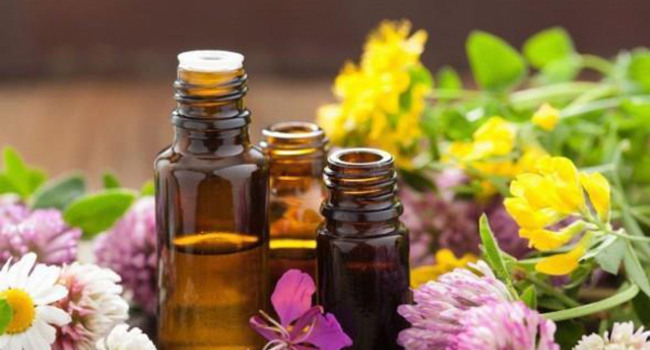
Scientists in Poland have found that essential oils from medicinal plants can suppress the growth of dangerous bacteria in different ways under conditions that closely resemble real infections. The study results suggest that these natural compounds could become a promising complement to antibiotic therapy amid the growing problem of microbial drug resistance. The research was published in the journal Frontiers in Pharmacology (FP).
As noted by researcher Malwina Brożyna from Wroclaw Medical University, essential oils are complex mixtures of dozens of biologically active molecules. They affect bacteria through multiple mechanisms at once, making it more difficult for microorganisms to develop resistance. According to the scientist, such oils can be viewed as an “antimicrobial cocktail” capable of enhancing the effects of antibiotics and reducing the risk of resistance.
In a recent experiment, researchers studied the effects of thyme and rosemary essential oils on the bacterium Staphylococcus aureus, which often causes skin and wound infections, including treatment-resistant forms. The studies were conducted not in standard laboratory culture media, but in a model simulating wound conditions.
It turned out that thyme oil was significantly more effective in these conditions than in classical laboratory tests. At the same time, rosemary oil, on the contrary, lost part of its activity. According to the authors, this highlights the importance of considering the real infection environment when evaluating the antimicrobial properties of substances.
In addition, different strains of S. aureus responded to the oils differently: some were sensitive, while others showed little to no response. This confirms that intra-species differences among bacteria must be taken into account when developing new antimicrobial agents.
The researchers emphasized that interest in essential oils should be accompanied by strict scientific standards. To address this, they proposed the concept of “responsible use of essential oils” — a set of methodological guidelines designed to produce reproducible and comparable results across different laboratories. In their view, the lack of unified approaches currently hinders the integration of such remedies into clinical practice.
If you’d like, I can also adapt this into a shorter news summary or a more technical scientific translation.





