make preferable
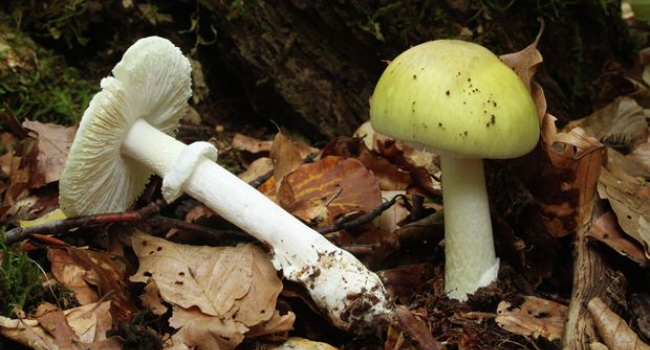
California has recorded a sharp increase in poisonings caused by wild mushrooms, and state authorities have officially urged residents to refrain from foraging, Medical Xpress reports.
According to health officials, more than thirty cases of severe poisoning have been registered since mid-autumn. Four people have died, and several others required liver transplants. The primary source of danger has been the death cap mushroom — one of the most toxic mushrooms in the world.
The death cap, scientifically known as Amanita phalloides, contains amatoxins — poisons that destroy liver and kidney cells. Even a small amount of this mushroom can lead to irreversible consequences, and cooking, drying, or freezing does not neutralize the toxin. This species is responsible for the majority of fatal mushroom poisonings worldwide.
Specialists note that this season’s combination of warm weather and early rains has created ideal conditions for the growth of death caps. The mushrooms have been appearing in parks, lawns, near residential areas, and in forests, especially in the northern part of the state and along the central coast. An additional danger is that young specimens can easily be mistaken for harmless edible varieties.
Symptoms of poisoning typically appear several hours later or even after a full day. Initial signs include nausea, vomiting, diarrhea, and abdominal pain. This may be followed by a brief period of apparent improvement, creating a false sense of recovery, after which severe liver damage begins. It is at this stage that the risk of death becomes greatest.
Doctors emphasize that many of those affected were unaware of the danger, and language barriers have sometimes hindered timely communication of warnings. Authorities strongly recommend purchasing mushrooms only from trusted vendors and avoiding the consumption of any wild varieties, even if they appear familiar or “traditional.”