make preferable
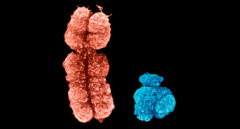
A new study has confirmed that men gradually lose part of their Y chromosome in body cells as they age — and this is not merely a genetic curiosity, but a process that may affect health, The Conversation reports.
For a long time, the loss of the Y chromosome in somatic cells (that is, cells other than sperm cells) was considered insignificant, since this chromosome contains relatively few genes aside from those determining male sex and involved in sperm production.
However, modern genetic analysis methods show that a substantial proportion of older men have cells lacking the Y chromosome, and this phenomenon is associated with a range of age-related diseases.
The frequency of Y chromosome loss increases markedly with age: about 40% of men in their sixties show loss of the Y chromosome in some cells, and by the age of 90 this phenomenon is observed in approximately 57% of men. The loss does not occur in all cells simultaneously but only in a portion of them, creating what is known as mosaicism — some cells retain the chromosome while others do not.
New data indicate that loss of the Y chromosome is linked to a higher risk of serious conditions, ranging from cardiovascular disorders to neurodegenerative diseases and various types of cancer.
Studies suggest that Y chromosome loss may accelerate cell growth, including tumor cells, and impair the function of organs such as the heart and kidneys.
Previously, the Y chromosome was thought to have little influence on bodily functions beyond sex determination, but current research indicates that it helps regulate the activity of other genes and plays a role in immune and tissue repair processes. The precise mechanisms linking Y chromosome loss to disease, however, are not yet fully understood, and scientists continue to investigate which specific genes on the Y chromosome contribute to age-related pathologies.