
 make preferable
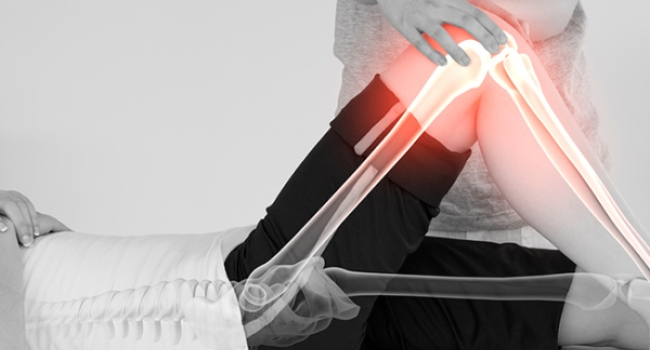
Osteoporosis — a disease in which bones become fragile and prone to fractures — affects tens of millions of people worldwide. Although it has long been known that physical activity strengthens bone tissue, the exact mechanism behind this effect has remained unclear. Now, an international team of scientists has identified a key protein that allows bones to “sense” movement. The study was published in the journal Signal Transduction and Targeted Therapy (STTT).
Researchers identified the protein Piezo1, which acts as a molecular sensor of mechanical load. When a person moves or exercises, bones experience pressure and deformation. Piezo1 responds to these mechanical signals and triggers a cascade of biochemical processes that promote the formation of new bone tissue while simultaneously suppressing fat accumulation in the bone marrow.
“We need to understand exactly how bones become stronger during movement or physical activity before we can reproduce these effects at the molecular level,” explained biomedical researcher Xu Aimin of the University of Hong Kong. According to him, the study represents an important step toward developing therapies capable of mimicking the benefits of physical exercise.
The focus of the research was on mesenchymal stem cells in the bone marrow. These cells can differentiate either into osteoblasts — cells that form bone tissue — or into adipocytes, or fat cells. The direction of their differentiation depends on multiple factors, including hormones, inflammatory signals, and mechanical load.
Experiments in mice showed that in the absence of Piezo1, bone density decreased, new bone formation was reduced, and the number of fat cells in the bone marrow increased. Moreover, in animals lacking this protein, physical exercise did not produce its usual strengthening effect. Additional studies helped decode the signaling pathways through which Piezo1 regulates the balance between bone formation and fat accumulation.
“We have essentially deciphered how the body converts movement into stronger bones,” Aimin added. According to him, activation of the Piezo1 pathway could potentially “trick” the body into producing the effects of physical activity even without actual movement.
This is especially important for older adults, patients with limited mobility, and those who cannot exercise regularly due to health conditions. In theory, drugs targeting the Piezo1 pathway could slow bone loss and reduce the risk of fractures.
Follow NEWS.am Medicine on Facebook and Twitter.





