
 make preferable
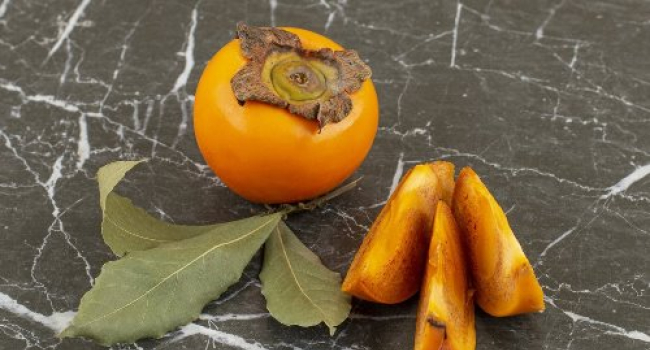
Breakdown products of the Rojo Brillante persimmon variety may improve intestinal barrier integrity and reduce inflammation by stimulating the growth of beneficial bacteria, according to researchers from the University of Aberdeen. The findings were published in the journal Food & Function (F&F).
Scientists analyzed soluble and insoluble fiber fractions obtained from processed persimmons and conducted laboratory fermentation experiments using gut microbiota from healthy volunteers. The results showed that different types of fiber affect bacterial composition in distinct ways.
Some fiber fractions stimulated the growth of bacteria belonging to the genera Bacteroides, Megasphaera, Oscillibacter, and members of the Lachnospiraceae family — microorganisms involved in producing short-chain fatty acids. During fermentation, the production of acetate, propionate, and butyrate increased, compounds known to support intestinal barrier integrity and reduce inflammation.
The most pronounced effects were observed with soluble fiber, which promoted higher production of indole-3-propionic acid — a metabolite with antioxidant and anti-inflammatory properties. According to the authors, soluble fiber fractions proved to be the most “metabolically active.”
Additional analysis showed that the composition of fibers and polyphenols influenced which bacterial groups gained an advantage. Fractions rich in arabinose and fucose more strongly stimulated Oscillibacter, while insoluble fibers promoted the growth of Megasphaera.
Researchers suggest that processed persimmon byproducts could be used to create functional prebiotic ingredients. However, further studies are needed to determine optimal dosages and formulations for such supplements.
Follow NEWS.am Medicine on Facebook and Twitter.





