make preferable
Vitamin K, traditionally associated with blood clotting, may also play a role in maintaining muscle strength and physical performance in older adults. This conclusion comes from a review article published in Frontiers in Nutrition, which examines the link between vitamin K and sarcopenia — the age-related loss of muscle mass, strength, and endurance that increases the risk of falls and loss of independence.
The researchers describe several possible mechanisms behind this effect. Vitamin K is involved in activating vitamin K–dependent proteins, including osteocalcin, MGP, and Gas6. These proteins are associated with tissue regeneration, vascular health, and energy metabolism in muscles. In experimental models, vitamin K has also demonstrated anti-inflammatory and antioxidant properties, as well as an influence on mitochondrial function and cellular damage processes — factors considered key contributors to age-related muscle decline.
Observational studies more often report positive associations: individuals with higher vitamin K levels tend to show better physical performance, stronger grip strength, and a lower risk of functional limitations. However, results from clinical trials using vitamin K supplements remain mixed. Outcomes appear to depend on the form of the vitamin (K1 or K2), dosage, and participant characteristics.
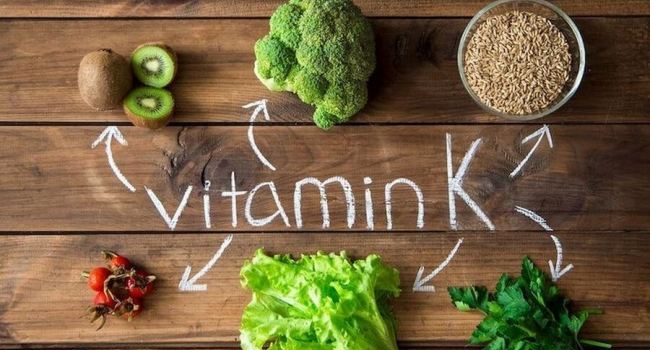
The authors emphasize that vitamin K cannot yet be considered a proven средство for preventing sarcopenia, as larger and more standardized studies are needed. Nevertheless, maintaining adequate vitamin K intake — particularly through green leafy vegetables and fermented foods — may be viewed as a potentially beneficial component of a healthy aging strategy.