
 make preferable
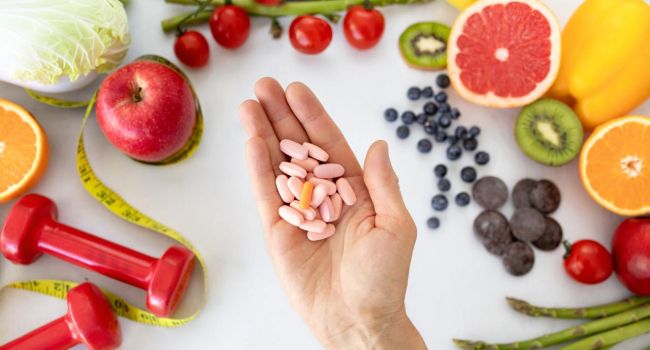
Daily intake of multivitamins may benefit not only overall health but also slow biological aging, according to a new study.
Scientists found that in older adults who took multivitamins for two years, the processes of bodily “wear and tear” associated with biological aging slowed down.
The results of the study were published in the journal Nature Medicine.
A particularly noticeable effect was observed in participants who showed accelerated biological aging at the beginning of the study.
“Today there is great interest in finding ways not only to live longer but also to live better,” said the lead researcher Howard Sesso, associate director of preventive medicine at Mass General Brigham in Boston.
“It was interesting to see that taking multivitamins was associated with improvements in indicators of biological aging,” he said in a press release.
According to him, the study opens opportunities for further research into accessible and safe ways to support healthier and higher-quality aging.
Tests that estimate biological age evaluate how everyday lifestyle influences a person’s genetics and contributes to the body’s “wear and tear.” Based on these indicators, a person may be biologically younger or older than their chronological age.
In the new study, scientists followed 958 participants with an average age of about 70 years. They were divided into five groups.
-
One group took cocoa extract and multivitamins daily
-
Another took cocoa extract and a placebo
-
A third took multivitamins and a placebo
-
A fourth group received two placebos
Over the course of two years, researchers repeatedly assessed the participants’ biological age using five different methods of measuring so-called “biological clocks.”
People who took multivitamins showed slower aging across all five indicators. According to the researchers’ calculations, this corresponded to about four months of “saved” aging over two years.
The greatest benefits were observed among participants who were biologically older than their actual age at the start of the study.
“We plan to continue monitoring to determine whether the slowing of biological aging detected by these five biological clocks persists after the study ends,” said researcher Yanbin Dong, director of the Georgia Prevention Institute at the Augusta University.
Scientists emphasize that additional studies are needed to understand exactly why multivitamins may influence aging processes.
“Many people take multivitamins without knowing exactly what benefits they may provide. The more we learn about their potential health effects, the better,” Sesso added.





