make preferable
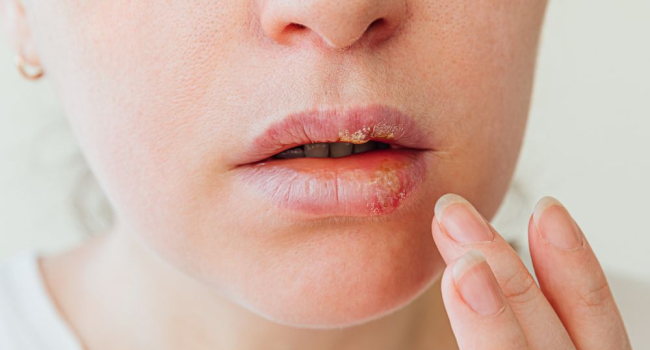
Researchers at the University of Illinois Chicago have found that the already approved cancer drug doxorubicin can be repurposed to combat drug-resistant strains of the herpes simplex virus (HSV-1). The findings were published in the journal Drug Resistance Updates.
HSV-1 typically causes cold sores and rarely poses a serious threat to healthy individuals. However, in immunocompromised patients, including those with cancer, the infection can lead to severe brain inflammation and organ failure. Strains resistant to standard treatment with acyclovir are particularly dangerous.
A team led by virologist Deepak Shukla used a digital tool called HerpDock, developed in their lab in 2024, which screens thousands of chemical compounds to identify those with potential anti-herpes activity. The program flagged doxorubicin, a drug long used in oncology.
A key advantage of doxorubicin is that it has already been approved by regulatory authorities (FDA), meaning its safety profile and dosage are well understood. This could accelerate its path to clinical use for herpes patients.
In laboratory experiments, doxorubicin effectively blocked HSV-1 infection across multiple models, including human cell cultures, tissue models, and mice. It also showed activity against acyclovir-resistant strains.
Its mechanism of action is not antiviral in the traditional sense. Doxorubicin does not directly target the virus; instead, it inhibits the PI3K–AKT–mTOR signaling pathway, which the virus uses to enter cells and initiate replication.
The researchers also found that combining doxorubicin with acyclovir enhances the therapeutic effect. This combination may allow for lower doses of acyclovir, potentially reducing the risk of side effects such as kidney damage.
According to study co-author Pankaj Sharma, the discovery provides a “rapidly translatable pathway” for treating complex herpes cases and could help prevent severe outcomes and improve patient prognosis worldwide, including among cancer patients already receiving doxorubicin.