make preferable
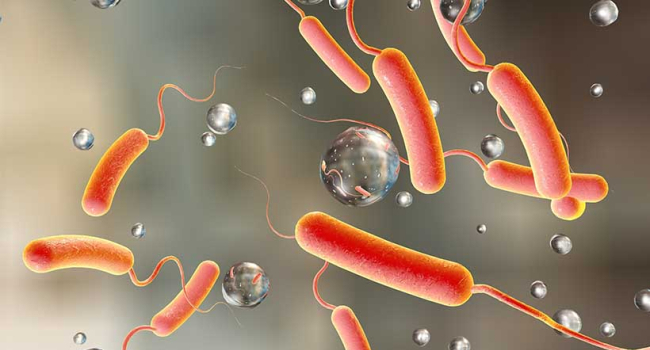
A new genomic study published in Nature has shown that bacteria responsible for cholera and the viruses that infect them are engaged in a continuous evolutionary “arms race.” Scientists analyzed more than 2,300 genomes of Vibrio cholerae collected over about 20 years in Bangladesh and northern India, revealing how bacteria and viruses adapt to each other at the genetic level.
Cholera is an acute intestinal infection caused by Vibrio cholerae that can lead to severe diarrhea and even death within hours if untreated. Millions of people worldwide are affected each year, especially in regions with limited access to clean water and sanitation.
The key “opponents” of cholera bacteria are viruses known as bacteriophages. These viruses infect only bacteria, not humans, and use them to reproduce. One such phage, ICP1 bacteriophage, actively targets cholera bacteria in the Ganges River delta in South Asia.
The study found that cholera bacteria are far from defenseless: they rapidly gain and lose genetic elements that act like a form of “armor” against viruses. In response, phages evolve new strategies to bypass these defenses. This dynamic resembles an ongoing duel, with each side constantly adapting to survive and continue spreading.
Interestingly, strains with stronger defense mechanisms tend to cause less severe disease in humans and are less likely to spread beyond their region. This finding improves understanding of cholera epidemiology and challenges the previous assumption that the Ganges delta is a global source of infection.
Understanding these processes is important not only for science but also for public health practice. It opens the way for early warning systems to detect potentially dangerous strains, as well as for the development of phage therapy—using viruses to selectively target and destroy pathogenic bacteria.