
 make preferable
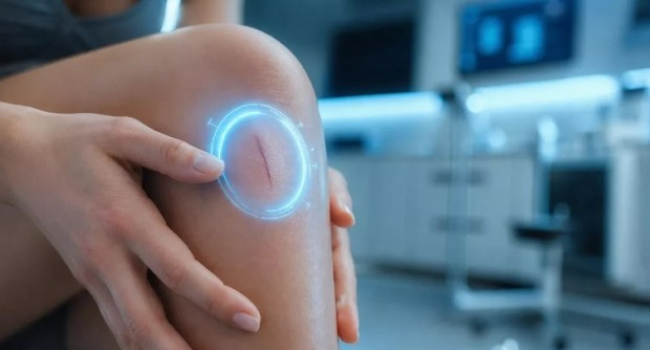
Scientists from the Saratov State Medical University (SSMU) named after V.I. Razumovsky have developed a device for the rapid diagnosis of affected organs and tissues using non-contact blood supply assessment. The development will assist in detecting circulatory disorders and determining the severity of patients' conditions in cases of diabetes, burns, and wounds, the university's press service reported.
In modern medicine, the method of Laser Doppler Flowmetry (LDF) is used to assess blood flow in the smallest vessels (capillaries) of the skin or mucous membranes. This fast, painless, and safe method is based on laser illumination of the skin: if erythrocytes (red blood cells) move within the capillaries, the light changes its frequency (the Doppler effect), allowing for the precise measurement of blood flow velocity and erythrocyte count, according to RIA Novosti.
Using this method, a physician can evaluate parameters such as the degree of burn damage, the viability and integration of transplants, the extent of microvascular disorders in diabetes, and the viability of the intestinal wall during abdominal surgery, providing essential information for patient prognosis.
Gleb Mareev, Head of the Department of Otorhinolaryngology and Senior Researcher at the Clinical and Biomedical Research Center of SSMU, noted that the application of LDF in Russia has been limited by a shortage of modern equipment.
"The only domestic device requires direct mechanical contact with the patient. Imported analogs are also not compact; they require connection to a computer with specialized software and specific training for physicians. Furthermore, they cannot perform measurements without direct contact with the tissues, which can lead to data distortion. In many cases, such as during surgical interventions, contact with the tissues is undesirable or impossible," the scientist explained.
To address this issue, SSMU researchers developed an original non-contact hardware-software complex for studying volumetric blood flow in various organs and tissues. Built on a modern electronic component base, the new device is lightweight, compact, fully autonomous, and easy for physicians to master.
"Our complex can be widely applied, including in combat zones, industrial disasters involving traumatic injuries, and other emergencies. it can assess microcirculatory blood flow in limbs after the application of tourniquets to stop bleeding—aiding in decisions regarding amputation—and determine tissue viability after penetrating wounds or during plastic surgery. It can also be used to measure the severity of burns and during surgical procedures on various organs," Mareev added.





