make preferable
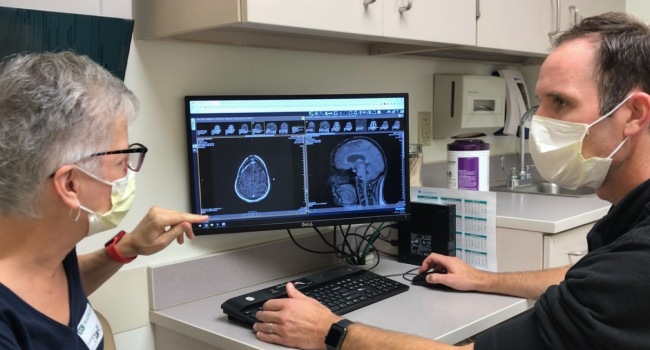
A personalized cancer vaccine designed to treat glioblastoma — one of the deadliest and most aggressive forms of brain cancer — has shown encouraging results in an early-stage clinical trial led by researchers at Washington University School of Medicine.
The experimental treatment, tested at Siteman Cancer Center, appeared safe and triggered strong immune responses in patients with glioblastoma, including particularly aggressive forms of the disease. Researchers say the vaccine may help delay tumor recurrence and improve survival after surgery.
Glioblastoma affects roughly four people per 100,000 in the United States and is considered incurable with current therapies. Standard treatment typically includes surgery, radiation, and chemotherapy, but tumors often return quickly.
The new vaccine works by targeting neoantigens — unique proteins found only on an individual patient’s cancer cells. Scientists created customized DNA-based vaccines using genetic information from each patient’s tumor, training the immune system to recognize and attack cancer cells.
According to the study, published May 12 in Nature Cancer, the vaccine activated immune responses against up to 40 tumor-specific proteins per patient — more than any previous cancer vaccine approach.
Researchers believe this broad targeting strategy may help overcome one of glioblastoma’s biggest challenges: the tumor’s ability to evolve and evade immune attacks. The treatment also appears to convert so-called “cold” tumors, which normally avoid detection by the immune system, into “hot” tumors that are more vulnerable to immune destruction.
The phase 1 trial included nine adults recently diagnosed with glioblastoma. Most patients showed increased immune activity after vaccination. About two-thirds had no disease progression six months after surgery, and the same proportion survived at least one year — outcomes better than typically seen in this patient population.
One participant remains cancer-free nearly five years after diagnosis.
Researchers say the vaccine was particularly notable because the patients had an aggressive subtype of glioblastoma known as unmethylated MGMT, which usually responds poorly to chemotherapy.
The team plans to continue studying the treatment in larger clinical trials and hopes to expand it to other forms of glioblastoma and potentially other cancers.
Kim Garland, a retired school nurse and participant in the trial, said she joined the study hoping her experience could help future patients. Nearly five years after surgery, she remains free of tumor recurrence.
Scientists involved in the study say personalized cancer vaccines could represent a major new direction in cancer treatment by tailoring therapies to the unique genetic makeup of each patient’s tumor.