
 make preferable
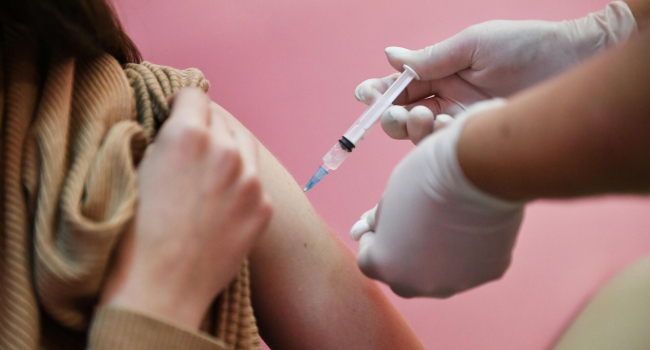
Researchers at Scripps Research have developed an experimental vaccine that may help prevent fatal overdoses caused by fentanyl and its analogs. The study was published in the Journal of Medicinal Chemistry.
Fentanyl and related synthetic opioids are responsible for more deaths each year in the United States than motor vehicle accidents and firearms combined. The danger lies in the fact that even a small overdose can suppress the brain’s respiratory center, leading to respiratory failure and death. While existing medications can reverse overdoses, they are most effective only when administered very quickly.
The new approach is fundamentally different. Rather than treating an overdose after it occurs, the vaccine is designed to train the immune system in advance to recognize and bind fentanyl molecules in the bloodstream, preventing them from reaching the brain.
A key feature of the vaccine is that it targets not just a single drug but an entire class of fentanyl-related substances. This includes highly potent analogs such as Carfentanil, acetylfentanyl, furanylfentanyl, and other designer opioids that are frequently modified by illicit manufacturers to evade regulatory controls.
To create the vaccine, scientists designed a modified molecule that retains the common structural features shared by fentanyl-like compounds while differing from fentanyl itself. This molecule was linked to a carrier protein and administered to mice in four doses over an eight-week period.
The results were striking. The immune system produced antibodies that recognized not the exact structure of a single drug, but a broader molecular signature common to the fentanyl family. These antibodies effectively bound fentanyl and several dangerous analogs while showing little or no interaction with legally prescribed opioids such as morphine or oxycodone.
In vaccinated mice, fentanyl concentrations in the brain were reduced by approximately 70%. Moreover, respiratory function remained largely normal even at doses that would typically cause severe respiratory depression.
The researchers emphasize that the vaccine has not yet been tested in humans and will require clinical trials before any potential medical use.
If proven safe and effective, such a vaccine could eventually be used to protect individuals at high risk of overdose, including people participating in recovery and addiction-treatment programs.
According to the authors, the most important achievement of the study is demonstrating that the immune system can be trained to recognize an entire class of drugs based on a shared structural signature rather than targeting only a single specific compound.
The findings may open the door to a new generation of vaccines designed to protect against rapidly evolving synthetic drugs that pose major public health challenges worldwide.





