
 make preferable
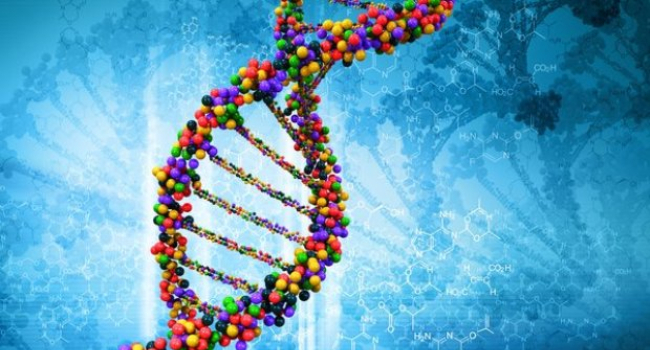
Researchers at the University of Cambridge have used ultra-precise genome editing for the first time to investigate the function of a single gene in human embryos, revealing that the NANOG gene is essential for the formation of the cells that eventually develop into the human body. The findings were published in the journal Nature.
The scientists employed base editing, an advanced version of CRISPR-Cas9 technology that allows researchers to alter a single DNA "letter" within the human genome, which contains approximately three billion base pairs. According to the research team, this approach significantly reduces the risk of unintended chromosome damage compared with conventional genome-editing techniques.
During the study, the researchers disabled the NANOG gene in human embryos at the earliest stages of development. They found that without NANOG, the embryos were unable to form the epiblast—the group of pluripotent cells that gives rise to the entire human body. In contrast, cells destined to form the placenta and yolk sac continued to develop normally.
The study also revealed that the role of NANOG in humans differs from its function in mice. While experiments in mice showed that loss of the gene disrupts the development of both the embryo and supporting tissues, in human embryos the absence of NANOG primarily affects the cells that form the body itself. According to the researchers, this highlights the importance of studying early human development directly rather than relying solely on animal models.
The authors believe the findings could help improve the success of in vitro fertilization (IVF), enhance understanding of the causes of early pregnancy loss, and eventually contribute to strategies for preventing severe inherited diseases.
However, the researchers emphasized that clinical use of genome-editing technologies in human embryos remains prohibited under UK law. Any future medical application would require extensive safety studies, public consultation, and changes to existing regulations.
The study used surplus embryos, eggs, and sperm that had been voluntarily donated for research by couples following IVF treatment. The embryos were cultured in the laboratory for no more than six and a half days after fertilization, after which the experiments were terminated in accordance with UK legislation and under the supervision of the country's independent fertility regulator.





